
Protium copal
Protium copal
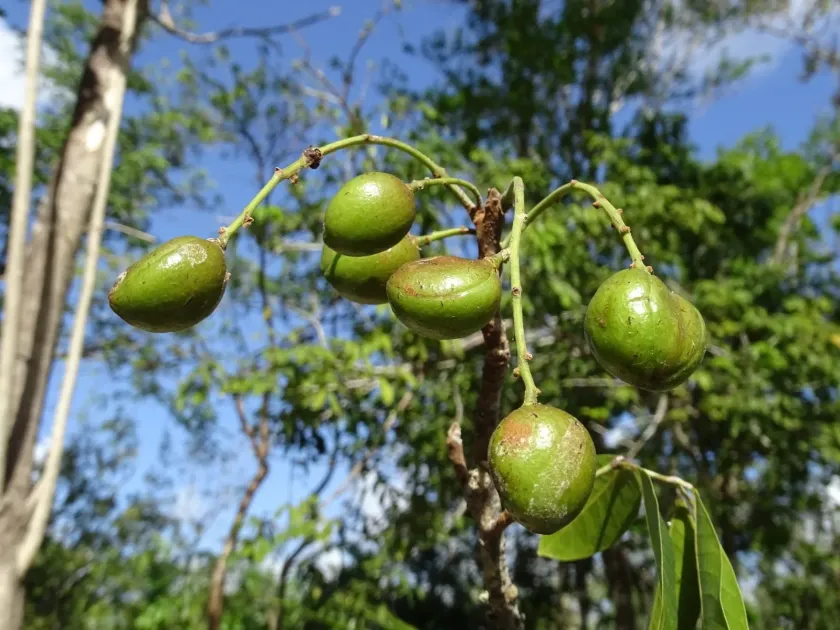
Description
Growing requirements
Protium copal is an evergreen tree belonging to the Burseraceae family, native to the tropical forests of Central and South America. It thrives in humid tropical climates characterized by high temperatures and consistent rainfall throughout the year.
The species prefers deep, well-drained fertile soils that provide sufficient aeration for its roots. It is highly sensitive to waterlogging, making proper site selection and soil preparation essential for successful plantation establishment.
Optimal growth occurs in full sun, although young saplings benefit from partial shade during their early development stages. The preferred temperature range remains between 22 and 30 degrees Celsius, typical of its native environment.
Agricultural management requires careful attention to humidity levels. In areas with marked dry seasons, supplemental irrigation may be necessary to maintain plant vigor and resin production.
Botanically, the tree is characterized by a sturdy trunk and a wide-spreading root system that anchors it effectively in diverse tropical soil profiles. Its leaves are compound, contributing to a dense canopy.
Yield
The primary economic output of Protium copal is the aromatic resin known as copal. This substance is harvested through controlled tapping of the bark, a process that requires skill to ensure the tree remains healthy for subsequent seasons.
Yield metrics depend on the age of the tree and the specific environmental conditions. Mature trees demonstrate consistent resin flow, which has been utilized for centuries in traditional crafts and modern industrial applications.
Beyond resin, the timber is prized for its moderate density and resilience. It is occasionally used in local construction and furniture making, where its resistance to decay is a significant advantage.
Sustainable harvesting practices are crucial to maintain long-term plantation productivity. Over-tapping can lead to significant tree stress, necessitating strict adherence to rest periods between extraction cycles.
Strategic plantation planning involves long-term research into selecting superior genotypes that exhibit both higher resin yield and better resistance to common environmental stressors.
Main diseases and pests
The main threats to Protium copal involve fungal pathogens that proliferate in high-humidity environments. These infections can compromise both the foliage and the bark, leading to reduced vitality.
Wood-boring insects represent a significant concern, as their feeding galleries within the trunk can obstruct vascular pathways and decrease overall resin output. Integrated pest management is recommended.
Root rot, primarily caused by waterlogged soil conditions, poses a critical threat to plantation health. Maintaining effective drainage is the most important preventative measure for this condition.
Leaf-eating insects can cause significant defoliation in young plants, potentially stunting growth and delaying the tree's maturity. Vigilant monitoring and timely interventions are standard practice.
Sanitation practices, such as removing infected branches and ensuring adequate spacing between trees, are vital for limiting the spread of diseases within an orchard setting.