
Common grape vine
Protected Designation of Origin (PDO)
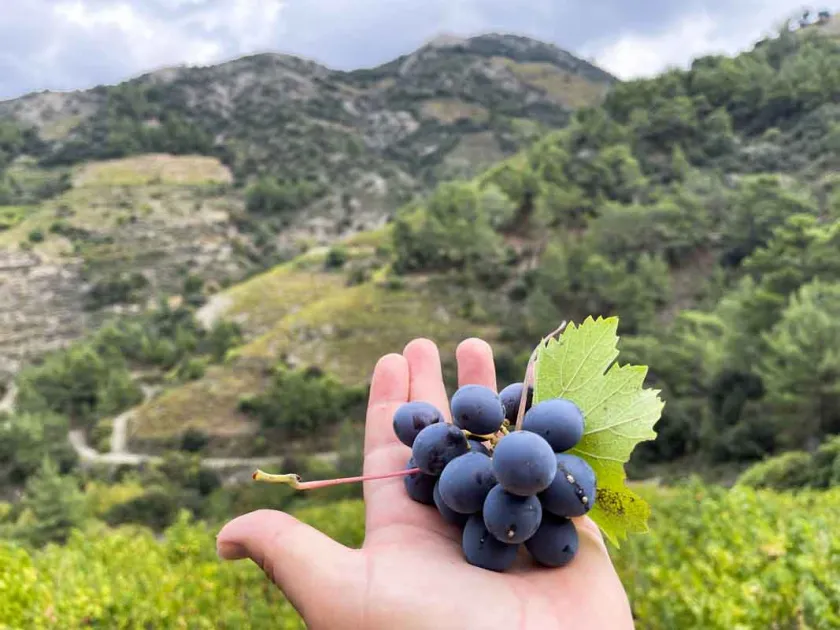
Description
Sowing dates
The common grape vine (Vitis vinifera) belongs to the Vitaceae family and is a perennial woody climbing vine. In both commercial viticulture and home gardening, the plant is typically propagated vegetatively through hardwood or softwood cuttings, or grafting onto rootstocks resistant to phylloxera.
Planting in open ground in temperate climates usually occurs in the spring, once the soil has warmed to at least 10-12 degrees Celsius, typically in April or early May. This allows the root system to establish itself before the peak vegetative growth phase during the summer heat.
In warmer southern regions, autumn planting is possible if done several weeks before the onset of frost, allowing the vines to set roots. Planting pits should be prepared well in advance, enriched with organic and mineral fertilizers to ensure sustained nutrition for the initial growth years.
For successful vineyard establishment, it is essential to choose sites with optimal sun exposure and protection from strong, cold winds. Planting density depends on the chosen training system, the vigor of the specific variety, and the fertility of the soil, ensuring adequate space for each vine.
Vine training and pruning are foundational aspects of viticulture that dictate productivity for decades. In the first few years, efforts are focused on developing a strong permanent framework and a robust root system, avoiding premature fruit production that could stress the young plant.
Growing requirements
Grapes are highly photophilous plants requiring a significant accumulation of heat units (active temperatures) to ripen the canes and ensure high sugar content in the berries. Lack of sunlight results in elongated shoots, poor fruit bud formation, and reduced overall winter hardiness.
Soil preferences include well-drained, fertile loamy or sandy soils with a neutral to slightly alkaline pH. Grapes are extremely sensitive to waterlogging; therefore, on heavy clay soils, the installation of drainage systems is mandatory to prevent root rot.
Irrigation plays a critical role, especially during dry spells throughout flowering and fruit development. However, excessive moisture toward the end of the season can trigger berry cracking and increase the susceptibility to fungal diseases.
Consistent nutrition is vital for growth, including nitrogen during early development, followed by potassium and phosphorus to support cane maturation and fruit quality. Soil tests help tailor the fertilization program to the specific site conditions.
In regions with harsh winters, cold tolerance is a critical factor in variety selection. In cooler climates, vines often require specific protection or burial to survive the winter months without significant damage to the buds and permanent wood.
Yield
Grape yields vary significantly based on variety genetics, vine age, management practices, and seasonal weather conditions. In commercial vineyards, intensive cultivation systems can yield between 10 to 20 metric tons per hectare under optimal conditions.
Stable production typically begins in the 3rd or 4th year after planting. Maximum yields are achieved through precision pruning, which regulates the number of buds and clusters per vine to maintain the balance between vegetative growth and fruit maturation.
Crop thinning is a standard viticultural practice used to prevent overcropping, which can exhaust the vine and result in poor berry quality, delayed ripening, and reduced sugar accumulation. It ensures the plant focuses resources on the remaining high-quality clusters.
Maintaining an optimal leaf-to-fruit ratio is essential, as the canopy is responsible for the photosynthesis required to nourish the berries and store energy for the following year's bud development.
To achieve consistently high yields, growers implement a combination of canopy management practices, such as shoot positioning, leaf removal, and timely pest control, all of which contribute to the final quality and quantity of the harvest.
Main diseases and pests
Grape vines are susceptible to a wide range of fungal pathogens, with downy mildew and powdery mildew being the most destructive, capable of causing near-total crop failure if left unmanaged.
Botrytis bunch rot poses a serious threat in humid conditions, infecting ripening berries and significantly degrading both the quality and shelf life of the harvest. Proper canopy management to increase airflow is a key preventive measure.
Pests such as phylloxera, erineum mites, and various leafrollers can cause significant damage to roots, foliage, and inflorescences, severely weakening the vine and reducing its photosynthetic capacity over time.
A comprehensive integrated pest management (IPM) program includes prophylactic treatments with fungicides and insecticides at critical growth stages, while strictly adhering to pre-harvest intervals to ensure consumer safety.
- Downy mildew (Plasmopara viticola)
- Powdery mildew (Uncinula necator)
- Botrytis bunch rot (Botrytis cinerea)
- Grape phylloxera (Daktulosphaira vitifoliae)
Harvesting
Harvesting is a critical stage that requires determining the ideal maturity level of the berries based on the end use: wine grapes are harvested at a specific balance of sugar and acidity, whereas table grapes are picked at peak flavor and texture.
Table grapes intended for fresh consumption must be harvested when they reach their characteristic color and organoleptic properties, as they do not continue to ripen or improve significantly after being removed from the vine.
The harvesting process is predominantly manual, utilizing specialized clippers to remove clusters without damaging the berries or removing the protective waxy bloom, which is crucial for the appearance and shelf life of table grapes.
To maintain post-harvest quality, clusters are placed in shallow, well-ventilated containers and transported immediately to cool, shaded facilities to minimize respiration rates and prevent spoilage.
After harvest, the vineyard remains physiologically active. Post-harvest care, including necessary irrigation and nutritional support, is vital to ensure the vines recover and store sufficient reserves for a successful dormant season and the following year's cycle.