
Common grape vine
Geographical Indication (GI)
Description
Growing requirements
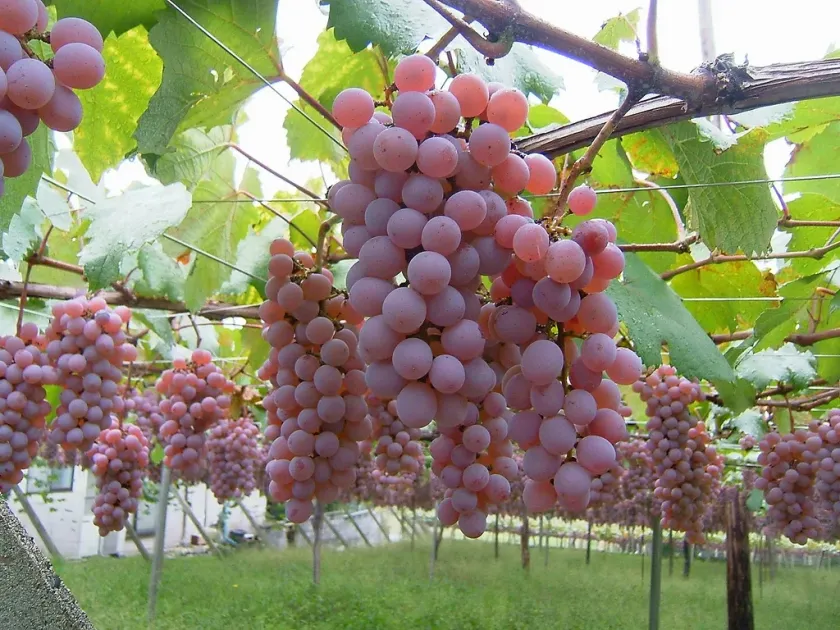
The common grape vine (Latin: Vitis vinifera) is a woody climbing vine belonging to the Vitaceae family. It is native to the Mediterranean region, Central Europe, and southwestern Asia, where it has been cultivated for thousands of years.
The vine thrives in temperate climates characterized by long, warm summers and mild winters. It requires significant solar radiation to ensure proper fruit maturation and the development of complex flavor profiles in the berries.
Ideal soil for grape cultivation should have excellent drainage, as the roots are sensitive to waterlogging. While the vine can adapt to various soil types, deep, nutrient-rich, and slightly calcareous soils often yield the best results.
Proper agronomic practices focus on canopy management through pruning and trellising systems. By controlling shoot growth, growers can ensure that sunlight and air reach the developing clusters, reducing the risk of fungal infections.
Beyond wine production, the species is vital for the fresh fruit market, juice industry, and the production of dried vine fruits, playing a crucial role in agricultural economies globally.
Main diseases and pests
Downy mildew (Plasmopara viticola) and powdery mildew (Erysiphe necator) represent the most significant fungal threats to viticulture, capable of causing widespread yield losses if left unmanaged.
The phylloxera aphid remains one of the most destructive pests in viticulture history, targeting the roots of non-resistant vines and necessitating the use of grafted rootstocks.
European grapevine moth larvae directly damage the berries, creating entry points for opportunistic pathogens like Botrytis cinerea, which causes grey rot during humid harvest conditions.
Spider mites and leafhoppers can also become problematic during dry, hot spells, causing leaf yellowing and reduced photosynthetic capacity in the vines.
Modern vineyard protection relies on several key strategies:
- regular monitoring for early pest signs
- application of appropriate bio-fungicides
- strict adherence to canopy management guidelines