
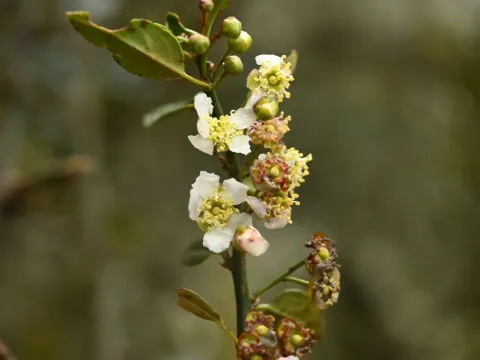
Prinsepia
Prinsepia
Seeds of Prinsepia require stratification to break dormancy. The most effective method is to sow them outdoors in late autumn, allowing the cold winter temperatures to trigger natural germination processes in the spring.
What the section contains


Prinsepia
If spring planting is preferred, seeds must undergo artificial stratification in a controlled environment, such as a refrigerator, at temperatures between 0–5 degrees Celsius for approximately three to four months.
When sowing, use a well-draining soil medium. Place seeds at a depth of about 2–3 centimeters, ensuring they are well-covered to maintain consistent moisture during the initial development phase.
Seedlings typically emerge once the soil warms up in the spring. Consistent moisture is vital during the early weeks; however, avoid waterlogging the soil, which can lead to fungal issues.
Transplanting seedlings to their permanent garden location should be done after they have developed a robust root system, usually after the second growing season, to ensure survival and vigor.
Prinsepia is a member of the Rosaceae family, known for being a deciduous, thorny shrub. It is highly valued for its exceptional hardiness and ability to thrive in harsh, colder climates where other shrubs fail.
To ensure optimal growth and fruit production, Prinsepia requires a position in full sun. While it can tolerate partial shade, fruit yields and plant density are significantly lower in such conditions.
The plant prefers well-drained, fertile soil with a neutral to slightly acidic pH. It performs well in varied soil types, provided there is no long-term water stagnation, which is detrimental to the root system.
Maintenance involves routine pruning to shape the bush and remove dead or diseased branches. Because of the sharp thorns, it is highly recommended to wear thick gardening gloves during all maintenance activities.
Due to its dense, thorny nature, Prinsepia is often utilized as a security hedge or an ecological windbreak, serving multiple purposes beyond fruit production.
The fruits of Prinsepia are small drupes that typically ripen in late summer. Productivity varies depending on the specific species, plant age, and environmental factors like pollination success.
Cross-pollination is key to high yields. Planting multiple specimens close to each other will significantly improve fruit set and quality compared to growing a single isolated shrub.
To maximize yields, apply a balanced fertilizer in early spring and again after the flowering period. This supports both vegetative growth and the energy requirements of fruit development.
Generally, the plant begins to produce a meaningful harvest around its third or fourth year. With proper care and annual pruning, it remains a reliable producer for many years.
The berries are rich in nutritional compounds and are widely used for jams, jellies, and traditional medicinal extracts, making the shrub a valuable addition to a homestead garden.
Prinsepia is remarkably resistant to many common pests and diseases affecting the Rose family. However, in poorly ventilated or excessively damp environments, it may become susceptible to powdery mildew.
Pests are rarely a major issue due to the plant's robust thorns and leaves. In dry conditions, small infestations of aphids may occur on the tender new growth, but these are usually manageable.
Preventive maintenance, such as ensuring good air circulation through proper pruning, is the most effective way to keep the plant healthy and free from fungal infections.
If an infestation occurs, focus on cultural controls first, such as pruning affected areas. If chemical intervention is necessary, opt for biological or systemic products that are safe for food-producing plants.
Keeping the area around the base of the shrub clear of debris reduces the risk of pathogens overwintering near the root zone.
Harvesting should occur when the berries have reached full maturity, evidenced by their color change and softening texture. Berries are best picked in stages as they ripen.
Given the thorns, manual picking requires care. Using small garden shears to snip the clusters is often more efficient and safer than hand-picking, as it prevents scratches to the hands.
The berries are relatively fragile, so harvest them into shallow containers to prevent crushing and juice leakage. Avoid harvesting when the fruits are wet from rain or dew.
Post-harvest storage should be short-term. Refrigeration can extend the shelf life for a few days, but the berries are best utilized immediately for fresh eating or processing.
Proper harvest practices ensure the quality of the final product and encourage the plant's health for the following season, as leaving some fruit can also support local wildlife populations.