
Cherry Prinsepia
Prinsepia sinensis
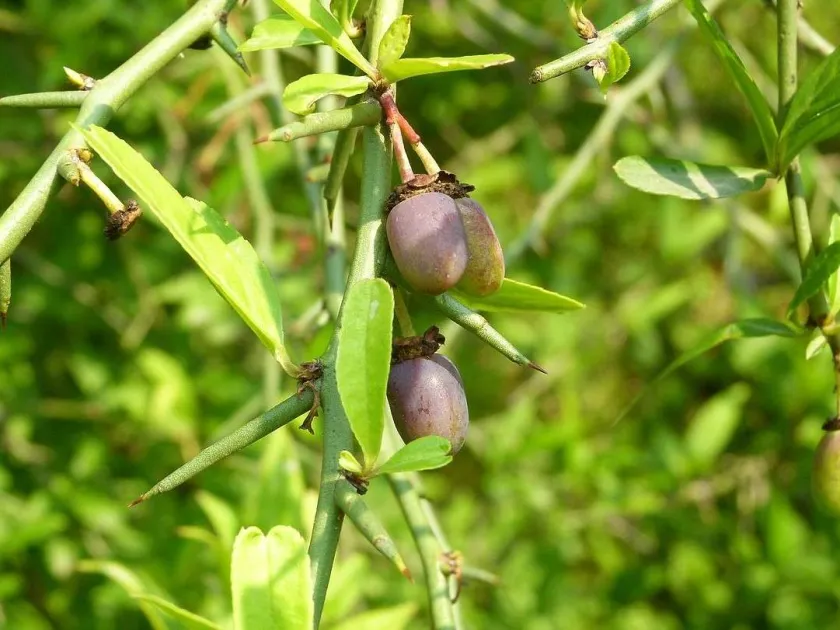
Description
Growing requirements
Cherry Prinsepia (Prinsepia sinensis), also known as the Mongolian cherry, is a deciduous shrub belonging to the Rosaceae family. It is native to the cold regions of East Asia, including northeastern China and the Russian Far East.
This shrub is highly valued for its extreme winter hardiness, making it an excellent candidate for gardens in colder climates. It thrives in open, sunny locations where it can develop a dense, vigorous crown.
Regarding soil requirements, this plant prefers fertile, well-drained loam. It does not tolerate waterlogging, so choosing a site with good natural drainage or improving the soil structure is essential for long-term survival.
Agrotechnical management includes regular weeding and mulching around the base to retain soil moisture during hot summer months. It is responsive to organic fertilizers applied early in the spring before vegetative growth begins.
As a thorny shrub, it acts as an effective natural barrier when planted in groups. Pruning should be managed annually to maintain the shape and remove older, less productive wood, ensuring strong new growth.
Yield
The fruit of the Cherry Prinsepia is a small, bright red drupe that ripens in late summer. These fruits are rich in vitamins and are commonly used in the local production of jams, juices, and various culinary preserves.
As a cross-pollinating species, yield is significantly higher when multiple specimens are planted in close proximity. This ensures sufficient cross-pollination by insects, primarily bees, during the early spring flowering period.
Harvesting is typically done by hand. Because the fruit has a relatively short shelf life, it is recommended to process the harvest immediately after picking to preserve its nutritional value and flavor.
In addition to its fruit production, the plant serves as a vital early-season nectar source for pollinators. This makes it a valuable ecological addition to orchards and rural landscapes.
The plant reaches its peak productive stage within a few years of establishment. Consistent harvest cycles can be maintained for nearly two decades if the shrub is properly pruned and fertilized.
Main diseases and pests
Prinsepia sinensis is known for its robust health and resistance to many common pests found in the Rosaceae family. However, during particularly humid seasons, fungal issues like mildew may occur if air circulation is poor.
Leaf-eating insects are the primary minor threat to the shrub. Regular monitoring during the spring and summer allows for early intervention, keeping damage below the threshold that would affect the plant's health.
Winter damage is rare due to its hardiness, but young plants should be protected from rodents that might chew on the bark during cold months. Using wire mesh guards is an effective preventive measure.
To ensure disease prevention, gardeners should avoid overcrowding plants. Maintaining proper spacing between bushes allows for better air movement, which significantly reduces the risk of fungal proliferation.
Sanitary maintenance is key: removing dead or damaged branches every spring keeps the plant vigorous and less susceptible to opportunistic infections. This practice is standard for all orchard crops of this family.