
Prinsepia uniflora
Prinsepia uniflora
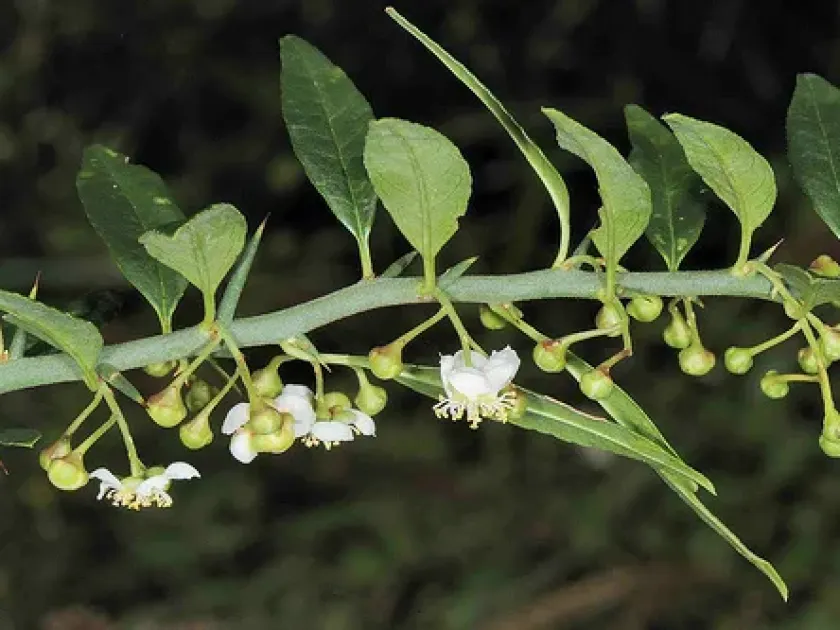
Description
Sowing dates
Propagation of Prinsepia uniflora via seeds requires a period of cold stratification, typically lasting 3 to 4 months at temperatures between 0 and 5 °C. The best time for outdoor sowing is autumn, allowing seeds to experience natural seasonal cycles before spring germination.
For spring sowing, it is critical to plant the seeds as early as possible, although germination rates may be lower compared to autumn planting. Seeds should be sown at a depth of 2 to 3 centimeters in a loose, well-draining substrate.
Vegetative propagation via green cuttings is also viable. Cuttings should be collected in early summer and placed in a greenhouse environment with high humidity to encourage root development.
When transplanting saplings, maintain a distance of 1.5 to 2 meters between plants, as this species develops a wide, sprawling crown that requires sufficient space to grow properly.
Young plants require consistent watering and weed control during their first two years to establish a strong root system before they become fully independent and hardy.
Growing requirements
Prinsepia uniflora is a member of the Rosaceae family, sharing similar environmental preferences with other stone fruits. It thrives best in sunny, open locations that are shielded from harsh, drying northern winds.
The plant is not overly demanding regarding soil type, though it prefers sandy loam or loamy soils with a neutral or slightly alkaline pH. Drainage is essential, as the roots are sensitive to waterlogging.
One of the key features of this shrub is its exceptional cold tolerance. It can withstand temperatures as low as -30 °C, making it an excellent candidate for colder gardening zones.
While mature plants are relatively drought-tolerant due to their deep root systems, supplemental irrigation during the flowering and fruit-setting stages ensures better fruit quality and yield.
Annual maintenance, including pruning in early spring, is necessary to keep the plant healthy. Removing damaged or overcrowded branches allows sunlight and air to reach the center of the shrub.
Yield
The shrub typically begins to bear fruit by its 3rd or 4th year. The small, round, red to orange-colored berries ripen in mid-summer and are known for their distinct acidic-sweet flavor profile.
The fruits are highly valued for home processing, commonly used to make vitamin-rich jams, jellies, preserves, and flavorful sauces that pair well with various dishes.
Beyond its culinary utility, Prinsepia uniflora is highly regarded for its aesthetic value. Its early, profuse spring bloom makes it an attractive choice for landscape design and living fences.
Cross-pollination is essential for maximizing yields, so it is recommended to plant multiple specimens in close proximity to facilitate better fruit set.
Harvesting should be done as the berries reach maturity to prevent loss due to fruit drop. With proper care, the plant provides a consistent and reliable harvest season after season.
Main diseases and pests
Prinsepia uniflora possesses robust natural immunity against most common diseases affecting the Rosaceae family, which significantly reduces the need for frequent chemical intervention.
The primary pests observed are aphids, which may cluster on young, tender growth during the early spring. Monitoring and the use of insecticidal soaps or biological controls are effective management strategies.
High humidity combined with poor air circulation can occasionally lead to fungal leaf spots. Proper spacing and thinning out the inner branches help mitigate this risk by promoting airflow.
Preventative measures, such as applying dormant oils or broad-spectrum insecticides before the growing season begins, can help protect the plant from early-season insect pressure.
Overall, this is a remarkably resilient plant that thrives with minimal chemical inputs, making it an excellent choice for sustainable or low-maintenance garden projects.