
Prangos trifida
Prangos trifida
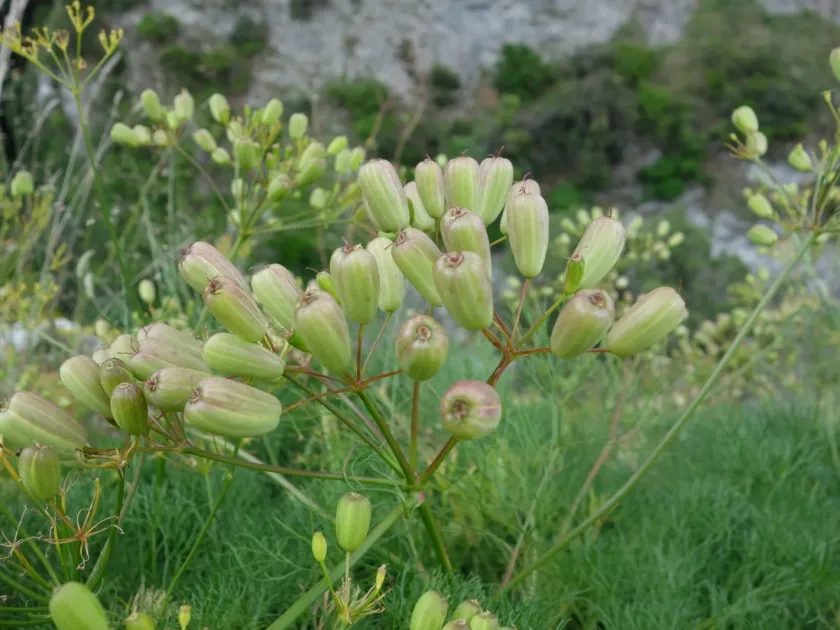
Description
Sowing dates
Sowing Prangos trifida is typically carried out in the autumn for overwintering or in early spring when the soil reaches physical maturity. Seed stratification often improves germination rates significantly.
The seeds should be sown at a depth of 1.5 to 2.5 centimeters, depending on the soil structure. Ensuring proper contact between the seeds and the moist soil is vital for successful establishment.
The seeding rate is calculated based on germination capacity and the desired plant density. A row-cropping method with spacing up to 60 centimeters is recommended for easier maintenance.
Growth is relatively slow during the first year, as the plant focuses on developing its basal rosette and a deep root system. Active biomass production usually peaks from the second year onwards.
Establishing a commercial stand requires effective weed management, especially in the first season. Regular inter-row cultivation is essential to reduce competition for nutrients and water.
Growing requirements
Prangos trifida belongs to the Apiaceae family and is well-adapted to arid and semi-arid environments. It thrives in moderately continental climates characterized by hot, dry summer periods.
This crop prefers well-drained chestnut or sierozem soils. Excessive moisture or waterlogging is highly detrimental to the plant’s deep-reaching taproot system.
Its high drought tolerance is a key feature, allowing the plant to remain green even during prolonged dry spells. The root system effectively accesses deep soil moisture reserves.
The ideal soil pH for this culture ranges between 6.5 and 7.5. Excessive soil acidity hinders root development and significantly reduces the total yield of the meadow.
Adequate sunlight is critical for biomass accumulation. Plots should be open and well-ventilated, as shading can lead to elongated stems and decreased nutritional density in the forage.
Yield
Total yield depends on the age of the crop and the prevailing climatic conditions. In favorable seasons, it is possible to achieve multiple cuts during a single vegetative cycle.
During early growth phases, the plant accumulates significant protein levels, making it a high-quality forage component. Nutrient content is at its peak during the budding stage.
The forage is versatile, used for hay, haylage, or direct grazing for small ruminants. It remains highly palatable even in its dried or harvested state.
Seed productivity is an important economic indicator. With proper management and favorable weather, stable annual seed yields can be consistently achieved.
To ensure long-term productivity, grazing must be managed carefully. Avoiding overgrazing is essential to maintain the plant's carbohydrate reserves in the root system.
Main diseases and pests
Common pests affecting this species include various Apiaceae-specific bugs and psyllids. These insects primarily damage the foliage and reproductive organs, reducing overall yield.
Fungal diseases like powdery mildew or Cercospora leaf spot may emerge under high humidity conditions. Maintaining good ventilation is a primary preventive measure.
Root rot is one of the most severe threats, often triggered by waterlogged soils or accidental mechanical damage to the roots during cultivation operations.
Nematodes pose a hidden threat by weakening the root structure and reducing plant vigor. Crop rotation and phytosanitary controls are the most effective management strategies.
Integrated pest management, including biological controls and habitat maintenance, is recommended to keep pest populations below economic injury levels.
Harvesting
Harvesting for green fodder begins during the stem elongation phase, before the stems become overly lignified. This ensures the best nutritional quality for livestock consumption.
For hay production, the optimal timing is at the onset of mass flowering. During this period, the balance between total dry matter and crude fiber content is ideal.
When mowing, it is crucial to leave a stubble height of 5–7 centimeters to protect dormant buds and allow for robust regrowth (aftermath).
Seed harvesting should be timed after the umbels have fully darkened to minimize shatter loss. Seeds must be cleaned thoroughly after pre-drying in bundles.
Harvested materials require immediate processing and drying to a moisture content below 14%. Proper storage in a cool, dry area ensures long-term seed viability.