
Prangos ferulacea
Prangos ferulacea
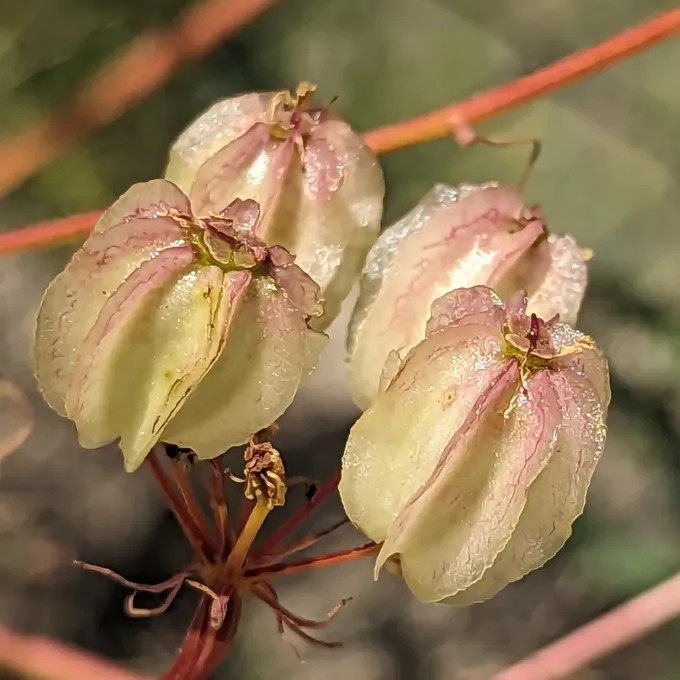
Description
Sowing dates
Prangos ferulacea, a member of the Apiaceae family, is a perennial herb known for its value in rangeland improvement. Sowing should ideally occur in late autumn or winter to allow for natural stratification, as the seeds have a slow germination rate.
For spring sowing, seeds require specific preparation or cold stratification to break dormancy. The seeds should be planted at a shallow depth of 2 to 3 centimeters to ensure proper emergence.
Due to the plant's robust taproot development, maintaining a row spacing of 50–60 centimeters is recommended. This spacing prevents overcrowding and competition for soil nutrients during the plant's initial establishment.
It is important to note that Prangos grows very slowly during its first year of life. Most of the plant's energy is invested in the root system, meaning that significant foliage production is typically observed only from the second or third year onward.
Weed control is critical in the early stages of establishment. Young plants are sensitive to competition, so regular mechanical weeding between rows is necessary to ensure success.
Growing requirements
This crop is a classic xerophyte, possessing excellent drought resistance. It is well-adapted to semi-arid regions and can thrive on rocky or stony soils where many other forage crops would fail to grow.
Prangos ferulacea is not demanding regarding soil fertility, but it prefers well-drained, loose soils. It can adapt to various soil types, provided that waterlogging is avoided, as the roots are sensitive to excessive moisture.
The plant exhibits high cold tolerance, making it suitable for regions with harsh, continental winters. It can withstand significant temperature fluctuations, typical of mountainous environments.
Full sun is essential for the healthy development of this species. Shaded areas significantly reduce biomass production and negatively affect the accumulation of nutrients within the plant tissues.
While the plant is hardy, light application of phosphorus and potassium fertilizers during the first years can improve root architecture, which in turn leads to higher long-term forage yields.
Yield
The primary use of Prangos ferulacea is as a high-quality forage plant for sheep, goats, and cattle. It retains its nutritional value even after the foliage has dried, making it an excellent source of feed during dormant seasons.
The plant is rich in proteins, vitamins, and essential minerals, which contribute to the improved health and productivity of livestock grazing on these pastures.
Annual yields fluctuate based on precipitation levels and the age of the stand. With proper management, a well-established field can remain productive for over a decade without the need for reseeding.
Harvesting for hay or silage should be timed to avoid the woody phase of stem development. Cutting the plants before full maturity ensures that the forage remains palatable and nutrient-dense for the livestock.
By implementing rotational grazing, farmers can maintain the sustainability of Prangos fields, ensuring high forage output even in challenging, water-limited environments.
Main diseases and pests
Prangos ferulacea is naturally resilient to many common agricultural pests and diseases. This high degree of hardiness reduces the need for frequent pesticide applications, making it a sustainable choice.
In cases of poor drainage or excessive soil moisture, the plant may become susceptible to fungal infections, particularly root rot. Maintaining soil aeration is the best preventive measure.
Some insect pests can affect the inflorescences, which is a major concern specifically for growers focused on seed production. Regular monitoring of flower heads is recommended during the reproductive phase.
Proper field rotation and avoiding overgrazing help to keep the plants vigorous. A strong, healthy plant stand is generally capable of resisting minor outbreaks of diseases without intervention.
Overall, its robustness makes Prangos an ideal candidate for integrated pest management systems, where biological stability is preferred over synthetic chemical usage.