
Prangos odontalgica
Prangos odontalgica
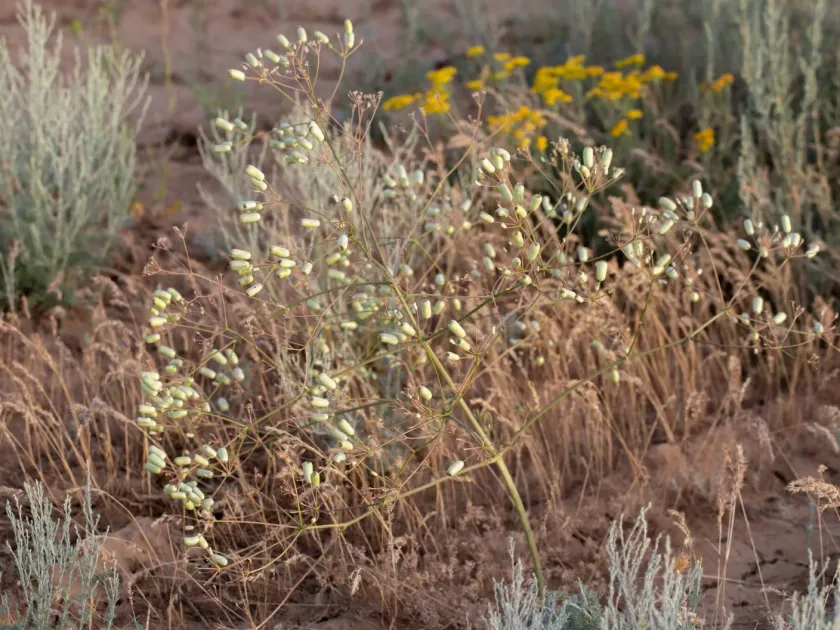
Description
Sowing dates
Prangos odontalgica is a perennial herb belonging to the Apiaceae family. Cultivation is generally adapted to arid and semi-arid environments, requiring specific field preparation to ensure successful establishment from seed.
Seeds require a natural dormancy-breaking period, often achieved through winter stratification. It is recommended to sow seeds in late autumn, allowing the cold winter temperatures to prime the embryos for early spring germination.
The seeding depth should be shallow, approximately 1–2 centimeters, to allow the small seeds to successfully break through the surface crust. The soil must be prepared to be light and aerated to avoid suffocating the seedlings.
Initial growth is slow, making the plant highly sensitive to weed competition. Ensuring a clean field and regular maintenance is crucial during the first season, as the plant focuses its energy on deep root development.
Proper spacing is vital, with rows spaced at least 50 centimeters apart to prevent overcrowding and allow the plant's rosettes to receive maximum sun exposure as they mature into established specimens.
Growing requirements
The plant thrives in well-drained, carbonate-rich soils, often preferring rocky or sandy substrates. Heavy soils that retain excess moisture should be avoided at all costs, as they trigger root rot.
Prangos odontalgica is a heliophilous species that requires full sun throughout the day. Shaded conditions will lead to weak stems, reduced leaf density, and a significant drop in the concentration of active medicinal compounds.
As a xerophyte, the plant is remarkably drought-tolerant once established. It is designed by nature to withstand long dry periods and will suffer from any form of over-irrigation or high groundwater levels.
The temperature requirements align with mountain and foothill climates where the species originated. It displays strong cold resistance during the winter dormancy period and can handle hot, dry summer temperatures.
Soil fertility management should focus on slow-release potassium and phosphorus. Nitrogen should be kept at low levels to prevent excessive vegetative growth that can weaken the plant's natural hardiness.
Main diseases and pests
Common agricultural pests for this species include various insects that target the Umbelliferae family. Pests like seed-feeding weevils and aphids can significantly impact the biomass yield and reproductive success.
Fungal diseases, particularly powdery mildew, often occur in fields with poor ventilation or high humidity levels. Maintaining space between plants and avoiding water accumulation is the best form of prevention.
Root rot is the most devastating disease for this crop. It is almost exclusively caused by soil waterlogging, which creates anaerobic conditions, leading to the rapid death of the main taproot system.
Monitoring for insect pests during the flowering stage is essential, as this is when the plant is most vulnerable to damage. Integrated pest management should prioritize cultural practices over chemical interventions.
If chemical protection becomes necessary, care must be taken to choose agents that do not leave harmful residues, especially given the plant's traditional and potential modern use in the medicinal industry.
Harvesting
Harvesting for green biomass should take place during the peak flowering stage. This is when the concentration of essential oils and other secondary metabolites is highest, ensuring maximum quality for extraction.
Seed harvesting must be timed perfectly, as the seeds shatter very easily once ripe. It is advisable to gather them once the color turns brownish but before the pods fully open and shed their contents.
The roots are typically harvested in the autumn after the plant enters dormancy, as the nutrients move down to the rootstock. Digging should be done carefully to keep the root intact and free of debris.
Drying is a critical post-harvest step. The material should be spread in thin layers in a shaded, well-ventilated area to prevent degradation of active components caused by ultraviolet light and heat.
Once dried, the crop should be stored in paper bags or breathable containers in a cool, dry place. Proper airflow during storage prevents mold and ensures the longevity of the plant's chemical potency.