
Posidonia oceanica
Posidonia oceanica
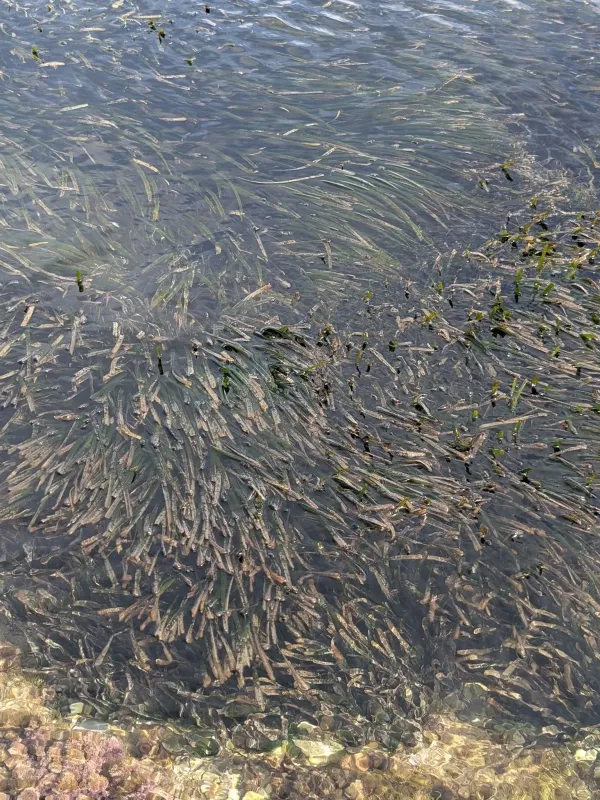
Description
Growing requirements
Posidonia oceanica is a significant marine flowering plant belonging to the Posidoniaceae family. It is a fundamental species in the Mediterranean ecosystem, forming extensive underwater meadows that serve as nursery grounds for numerous marine species.
This plant thrives in clear, well-oxygenated waters where light penetration is sufficient for photosynthesis. It generally grows in sandy or rocky substrates at depths ranging from the coastline down to 40 meters.
The environmental requirements for optimal growth include stable marine temperatures between 10°C and 25°C. Any significant deviation from these parameters, coupled with increased turbidity, severely hinders the development of the rhizomes.
Cultivation and conservation efforts focus on maintaining water quality and preventing mechanical damage to the seafloor. Posidonia plants utilize complex root systems to stabilize sediment and naturally filter particulate matter from the water column.
Economically, the plant is harvested in the form of washed-up dried leaves (banquettes). These organic materials are highly valued in agriculture as mulch to improve water retention in arid soils and as a source of biomass for various industrial applications.
Main diseases and pests
Mechanical damage caused by yacht anchors and industrial dredging represents the most severe threat to the integrity of Posidonia meadows across the Mediterranean basin.
Eutrophication resulting from agricultural runoff and untreated sewage creates conditions for excessive algal blooms, which starve the seagrass of necessary sunlight.
Climate change is causing a rise in sea temperatures, which can induce physiological stress and make the plants more susceptible to widespread necrosis and disease.
Invasive species, particularly certain types of tropical macroalgae, aggressively colonize the habitats formerly occupied by Posidonia, leading to a significant loss of biodiversity.
Biological threats also include local outbreaks of herbivorous sea urchins, which can consume large areas of leaf tissue if their natural predators are overfished.