
Australian sea grass
Posidonia australis
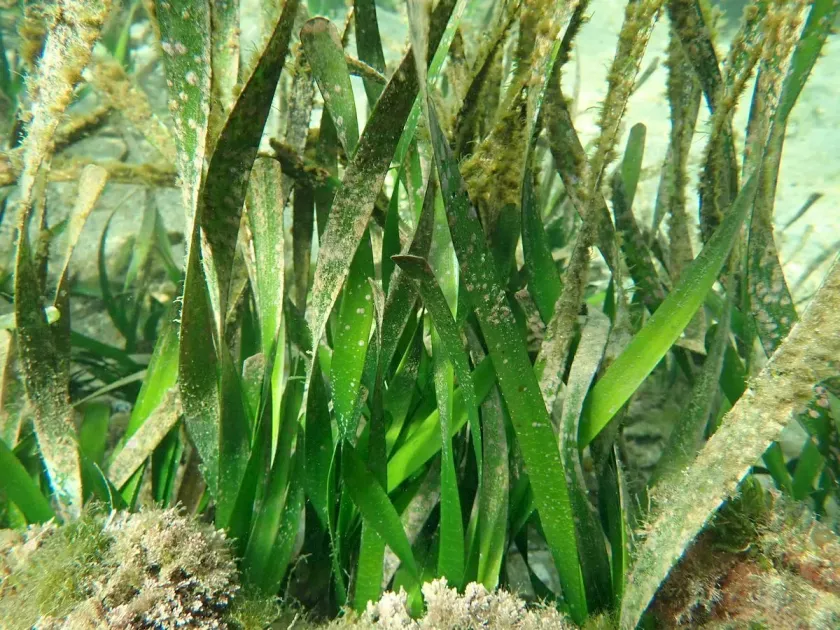
Description
Growing requirements
Australian sea grass, known scientifically as Posidonia australis, is a perennial marine plant species within the Posidoniaceae family. It is endemic to the coastal waters of southern Australia.
These plants form expansive underwater meadows that act as crucial carbon sinks and habitats, supporting a wide range of marine biodiversity, including fish, crustaceans, and protected marine mammals.
The species requires clear, shallow coastal waters to maximize photosynthetic activity. Light penetration is the primary limiting factor for its depth range, typically extending down to fifteen meters.
The ideal substrate for Posidonia australis is sandy or silty sediment, which allows the plant to anchor its rhizomes securely and absorb essential nutrients from the seabed.
Strict environmental management is necessary, as this species is highly sensitive to changes in salinity, water temperature, and pollution, making it an excellent bio-indicator for coastal health.
Main diseases and pests
Anthropogenic disturbances, particularly coastal development and dredging, cause severe physical destruction of meadows by removing the essential sediment layers required for growth.
Eutrophication caused by agricultural and urban runoff triggers excessive algae blooms, which block sunlight and cause shading stress to the sea grass blades.
Mechanical damage from boat anchors and propellers leaves deep scars in the sea grass meadows that can take years or even decades to naturally re-vegetate.
Climate change poses a significant threat, as heatwaves can push water temperatures beyond the physiological tolerance limits of the species, leading to mass mortality events.
Invasive marine species and shifts in herbivore populations can create unexpected pressures, leading to overgrazing and the decline of fragmented sea grass populations.