
Posidonia coriacea
Posidonia coriacea
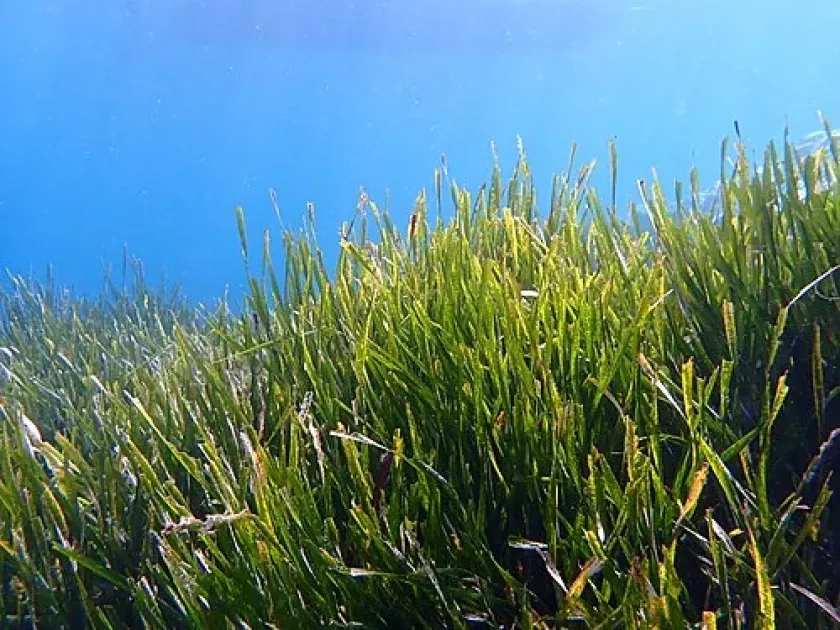
Description
Growing requirements
Posidonia coriacea is a species belonging to the Posidoniaceae family. This marine angiosperm is a perennial plant that thrives in shallow coastal environments, playing a vital role in marine biodiversity and coastal stability.
The native distribution of this species is restricted to the southern coast of Australia. It occupies the photic zone of the seafloor, requiring specific water depth levels to ensure sufficient light penetration for photosynthesis throughout the year.
Regarding soil and site conditions, the plant prefers sandy or rocky substrates where its rhizomes can firmly anchor. The water quality is essential, as the species requires high transparency and salinity levels consistent with its natural ecosystem.
Botanically, the plant is characterized by leathery, strap-like leaves that are highly adapted to withstand hydrodynamic forces. The root system consists of robust rhizomes that facilitate clonal growth and sediment stabilization over long periods.
The main commercial and environmental use of Posidonia is in coastal protection. These underwater meadows act as natural barriers that absorb wave energy, thereby mitigating coastal erosion and creating nursery grounds for various marine species.
Main diseases and pests
The primary threats to the species involve habitat destruction caused by dredging, coastal development, and anchor damage from marine vessels. Physical disturbance of the rhizome mats can lead to long-term decline in meadow density.
Water pollution, particularly the increase in nutrient loading, triggers algal blooms that shade the plant. Furthermore, rising sea temperatures have been identified as a critical factor that threatens the physiological stability of these underwater seagrass populations.