
Pontederia heterosperma
Pontederia heterosperma
Description
Sowing dates
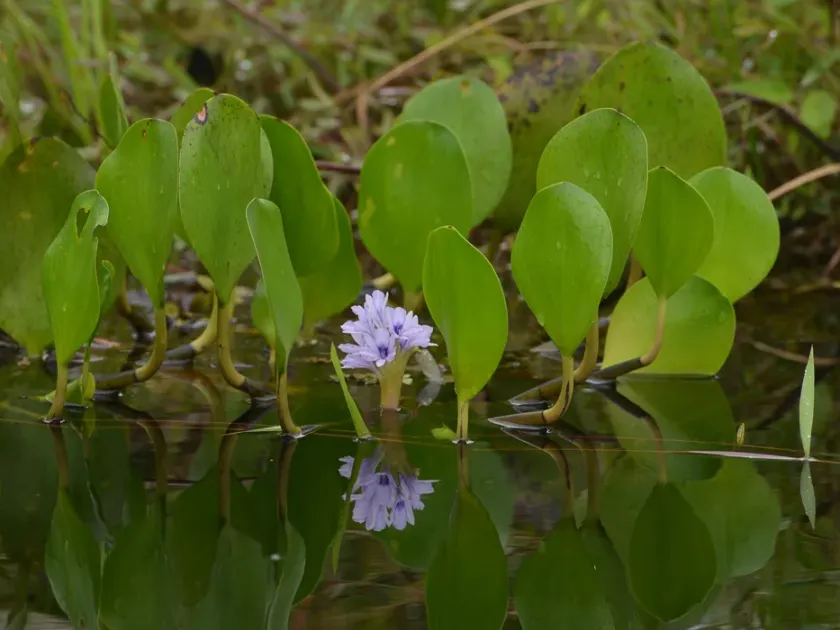
Pontederia heterosperma is a distinct aquatic perennial belonging to the Pontederiaceae family. Native to South America, this plant is primarily found in shallow, calm tropical wetlands where it thrives in nutrient-rich sediments.
The standard propagation method involves dividing mature rhizomes during the active growing season. This ensures that the newly established plants retain the vigor and aesthetic characteristics of the parent stock, promoting uniform growth.
While seed sowing is botanically possible, it requires specific conditions, including high humidity and stable water temperatures, to ensure successful germination. Seeds should be sown in a thin layer of wet substrate immediately after harvesting.
For container cultivation, a heavy loamy soil mixed with organic compost is ideal. Placing the containers at the correct depth ensures the rhizomes are firmly anchored while allowing the foliage to rise above the water surface.
Sunlight is a key factor in the plant's development. Pontederia heterosperma performs best when exposed to full sun, which triggers prolific blooming and robust development of its characteristic lush green leaves.
Growing requirements
The optimal water depth for this species ranges between 10 and 25 centimeters. Exceeding this depth may stress the plant, while shallower water levels can lead to dehydration of the rhizome during hot summer days.
Water quality parameters should be managed to maintain a neutral pH. The plant acts as a natural purifier, effectively removing excess nitrates from the water, which helps in maintaining the ecological balance of an artificial pond.
As a tropical species, Pontederia heterosperma is highly sensitive to frost. In temperate climates, the plants must be moved indoors to a frost-free, cool environment for the winter months to maintain their viability.
Proper water circulation is beneficial for preventing the accumulation of toxins in the soil. A gentle flow of water helps deliver oxygen to the root zone, preventing the root rot that often plagues stagnant aquatic environments.
Occasional fertilization is recommended to maintain the vibrancy of the plant. Using slow-release aquatic plant fertilizers in tablet form provides the necessary nutrients directly to the substrate without polluting the water column.
Main diseases and pests
Fungal leaf spots represent a common threat to this plant, especially when humidity levels remain excessively high for extended periods. Improving airflow around the foliage can help mitigate the spread of these pathogens.
Pests like aphids are known to feed on the tender young leaves and flower stalks. If an infestation occurs, it is best to use environmentally friendly soaps or biological control agents to protect the surrounding pond wildlife.
Root congestion can lead to diminished vigor. It is essential to divide the rhizomes every two to three years to prevent the clump from becoming overcrowded and depleting the nutrients in the container substrate.
Competition with invasive algae can also limit the plant's potential. Maintaining a balanced pond environment through regular filtering and monitoring prevents algae from outcompeting the Pontederia for light and nutrients.
Mechanical damage caused by fauna or debris in the water should be addressed promptly. Inspecting the foliage periodically ensures that early signs of damage are detected before they develop into more serious systemic issues.