
Pontederia hastata
Pontederia hastata
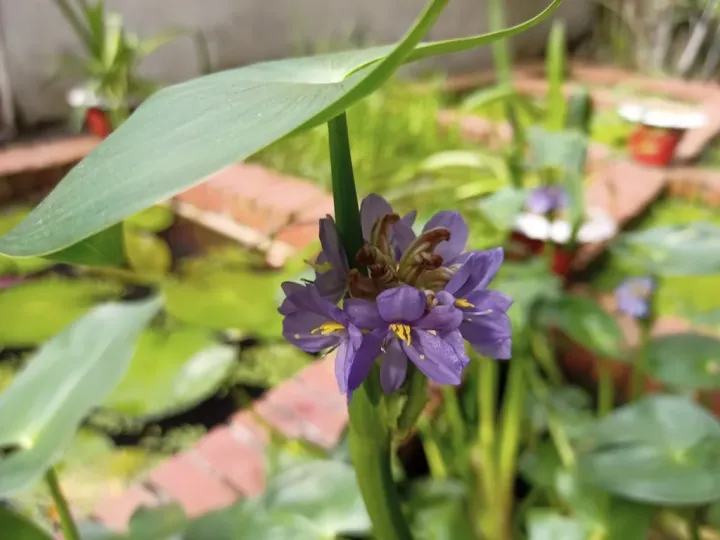
Description
Growing requirements
Pontederia hastata is a notable perennial aquatic plant belonging to the Pontederiaceae family. Originating from tropical and subtropical areas of Asia, it typically thrives in wetlands, shallow margins of rivers, and stagnant freshwater bodies.
Botanically, the plant is characterized by its distinct hastate (spear-shaped) leaves and spikes of small, attractive flowers. It spreads via creeping rhizomes, forming dense stands that help stabilize the soil along water banks.
This species requires specific aquatic conditions to flourish, primarily stable water levels ranging from 10 to 30 cm deep. It is best suited for environments with high nutrient availability in the substrate, usually rich silt or loamy soil.
As a tropical hydrophyte, the plant has high thermal requirements. It demands temperatures above 20°C to maintain active growth cycles and is strictly sensitive to freezing conditions, which usually leads to the death of the rhizomes in temperate zones.
The agricultural usage of Pontederia hastata is primarily focused on ornamental water landscaping and environmental management. Its ability to absorb nutrients makes it an efficient tool for natural water filtration and maintaining the ecological balance of ponds.
Main diseases and pests
The primary threats to Pontederia hastata include leaf-eating beetles and aphid infestations that can severely compromise the photosynthetic area of the plant during the summer peak season.
Pathogenic threats include various fungal infections that manifest in stagnant water with poor aeration. Maintaining water movement and ensuring optimal nutrient levels are the best strategies to prevent these agricultural issues.