
Pleiospilos compactus
Pleiospilos compactus
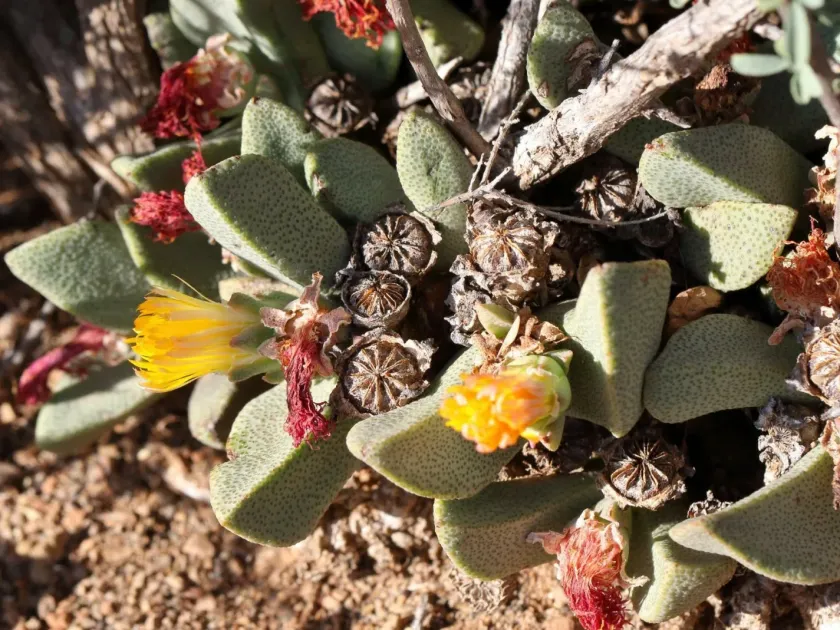
Description
Growing requirements
Pleiospilos compactus is a fascinating succulent belonging to the Aizoaceae family. It is widely recognized for its resemblance to rocks, a morphological adaptation that protects the plant from herbivores in its harsh native environment.
Originating from the arid regions of South Africa, this plant is well-adapted to high light intensity and rocky, mineral-rich soils. In a horticultural setting, it requires conditions that mimic its dry and sunny habitat to maintain its compact and healthy growth.
The planting substrate must be highly inorganic and free-draining. A typical mixture includes fine gravel, pumice, and coarse sand, which allows roots to breathe and prevents water stagnation, the primary cause of plant loss in this genus.
Climate requirements involve high solar exposure throughout the active growing season. During winter, Pleiospilos compactus enters a dormant state and must be kept in a cool, dry place to prevent etiolation and stress, with water withheld almost entirely.
Watering requires strict monitoring of the plant's seasonal cycle. It should only be watered when the leaves show signs of mild dehydration, and even then, moisture should be provided in small quantities to prevent root rot or leaf splitting.
Main diseases and pests
Mealybugs are the most common pests affecting this species. They frequently hide in the deep crevices between the leaves, making detection difficult until a significant infestation has developed, requiring the use of systemic insecticides.
Spider mites can also threaten the health of the plant, especially in stagnant air environments. Infestation symptoms include fine webbing and localized discoloration, which necessitates immediate treatment with appropriate miticides.
Root rot is the most destructive condition, usually resulting from overwatering or poorly aerated soil. When the roots succumb to rot, the plant rapidly declines, emphasizing the importance of a professional-grade drainage system.
Fungal infections can develop if water accumulates in the leaf rosette during cooler periods. Providing adequate air circulation and keeping the leaves dry at all times are the best methods to prevent such opportunistic infections.
Proper sanitation is essential for maintaining the health of the collection. Regularly removing debris from around the base of the plant and inspecting it for early signs of pests or disease will ensure its long-term viability in indoor conditions.