
Ridley's Staghorn Fern
Platycerium ridleyi Christ
Description
Growing requirements
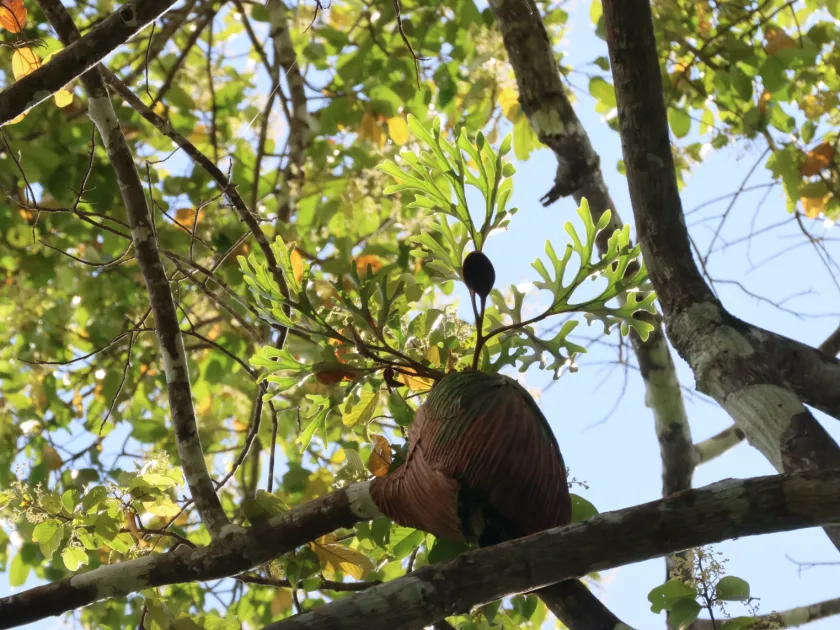
Platycerium ridleyi, commonly known as Ridley's Staghorn Fern, is a fascinating epiphytic fern belonging to the Polypodiaceae family. It is native to the tropical rainforests of Southeast Asia, where it grows high in the canopy on host trees.
To thrive in a domestic environment, this plant requires high humidity levels consistently between 60% and 80%. Temperatures should remain tropical, ideally between 20°C and 28°C, avoiding cold drafts at all costs.
Bright, indirect light is essential for the healthy growth of this fern. While it tolerates lower light levels, it flourishes when exposed to filtered sunlight that mimics its natural habitat under the forest canopy.
The substrate must be highly porous, typically consisting of a mix of orchid bark, charcoal, and sphagnum moss. This ensures that the roots receive sufficient oxygen and prevents the risk of waterlogging, which the plant cannot tolerate.
Watering should be performed by soaking the roots or misting the surrounding area. It is critical to ensure that the water drains away completely and does not accumulate in the center of the shield fronds to prevent rotting.
Main diseases and pests
Scale insects are frequent pests that attach themselves to the undersides of the fronds. These pests suck the plant's sap, eventually weakening the entire organism if not treated promptly with systemic insecticides.
Mealybugs are another threat, often hiding deep within the shield fronds. Their presence is marked by white, cotton-like masses, which should be physically removed and treated with horticultural oils or soap solutions.
Spider mites thrive in dry conditions and can cause significant damage to the fronds. Increasing humidity levels is a primary cultural method for both preventing and managing mite infestations on these delicate ferns.
Root rot caused by overwatering or poor drainage is a lethal condition for Platycerium ridleyi. Once the root system begins to decay, recovery is difficult, emphasizing the need for a well-aerated potting medium.
Fungal infections, such as dark spots on the fronds, often occur if the foliage remains wet for extended periods without adequate air circulation. Keeping the environment well-ventilated is the best defensive measure.