
Planchonia valida
Planchonia valida
Description
Growing requirements
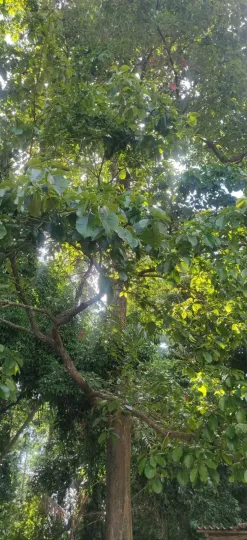
Planchonia valida is a large, evergreen or semi-deciduous tree belonging to the Lecythidaceae family. It is native to the tropical rainforests of Southeast Asia, where it plays a significant role in the local forest canopy structure.
The tree thrives in a humid tropical climate, requiring consistently high temperatures and abundant rainfall throughout the year. It is highly sensitive to frost and sudden temperature drops, which can severely damage its physiological processes.
Soil requirements involve well-drained, deep, and fertile substrates. It performs best in alluvial soils rich in organic matter. Waterlogged conditions are detrimental, as the root system is prone to hypoxia and fungal decay in poorly drained environments.
Being a canopy species, Planchonia valida exhibits a strong preference for full sunlight as it matures. During the sapling stage, it can tolerate some shade, but subsequent growth is significantly accelerated with proper exposure to solar radiation.
Agricultural management includes precise site selection, ensuring the topography prevents water accumulation. Regular weed control around young trees is essential during the first years of establishment to reduce resource competition.
Yield
The primary economic output of Planchonia valida is its high-quality timber. Known for its hardness, density, and natural resistance to decay, the wood is highly sought after for heavy-duty construction, bridge building, and flooring.
The wood's durability makes it an excellent choice for outdoor applications, particularly in tropical environments where moisture-related degradation is a constant challenge for less resilient timber species.
Beyond its industrial utility, the tree serves an essential ecological function in native forests by supporting biodiversity. It produces fruit that serves as a food source for various tropical wildlife species, contributing to ecosystem resilience.
Commercial plantation yields are maximized through long-term rotation cycles, which typically span several decades. Proper forest management practices ensure the sustainable harvest of wood while maintaining soil productivity.
Seed harvesting for nursery propagation involves careful timing to capture mature fruit. Success in nursery cultivation depends on rapid planting after seed extraction to maintain viability, as the seeds are often recalcitrant.
Main diseases and pests
Fungal diseases represent a significant threat to Planchonia valida, particularly in plantation settings with high humidity levels and poor air circulation. Stem rots can degrade the wood quality, rendering it unsuitable for high-grade construction.
Insect pests, such as wood-boring beetles, pose a recurring problem. These insects compromise the integrity of the trunk by drilling galleries into the wood, which facilitates the secondary infection of pathogens.
Environmental threats include the fragmentation of natural habitats due to deforestation. This loss of biodiversity reduces the genetic resilience of the species, making it more vulnerable to outbreaks of diseases and pests.
Climate change, manifesting as unpredictable rainfall patterns and longer dry spells, poses a risk to seedling survival. The lack of reliable moisture during the critical early growth phase can lead to high mortality rates in new plantations.
Sustainable pest and disease management focuses on site-specific preventive strategies. Maintaining optimal tree spacing and conducting regular health surveys are the most effective ways to mitigate risks in managed forest environments.