
Planchonia papuana
Planchonia papuana
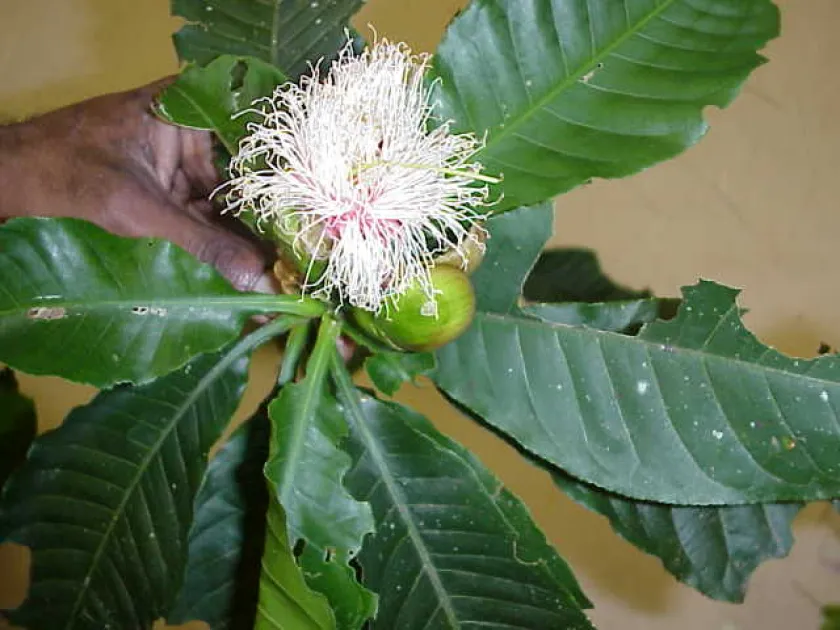
Description
Growing requirements
Planchonia papuana is a significant species within the Lecythidaceae family, native to the tropical rainforests of Papua New Guinea and surrounding islands. It is a large canopy tree that thrives in dense forest environments.
The culture demands a consistent, humid tropical climate with high annual precipitation levels. It performs best in regions where temperatures remain within the range of 22 to 30 degrees Celsius year-round.
Soil quality is paramount for this species; it favors deep, nutrient-rich soils that possess excellent drainage capabilities. Waterlogging is detrimental to the root system and must be avoided at all costs.
Botanically, the tree is characterized by broad leaves and distinct floral structures typical of the Lecythidaceae family. Its development is relatively slow, reflecting its role as a climax species in forest succession.
Economically, the timber of Planchonia papuana is highly regarded in local industries for its durability and structural integrity. Furthermore, the tree plays an ecological role by providing habitat and resources for local fauna.
Main diseases and pests
Pathogenic fungi are among the primary biological threats, particularly in areas with stagnant air and extreme humidity. Root rot remains the most common issue when drainage is compromised.
Wood-boring insects present a persistent threat to the logs and living stems. These pests can significantly degrade the quality of timber, making pest management crucial for commercial stands.
Deforestation and habitat loss are the most severe anthropogenic threats to Planchonia papuana. Preservation of its natural range is essential to prevent the decline of this specialized tropical tree.
Bacterial blight can affect young seedlings in nurseries, causing significant foliage loss. Sanitation and strict hygiene protocols are recommended to manage these outbreaks effectively.
Storm damage is another environmental threat; as a large tree, it is susceptible to limb breakage during severe tropical storms and cyclones. Selecting sheltered planting sites can help mitigate this risk.