
Planchonia careya
Planchonia careya
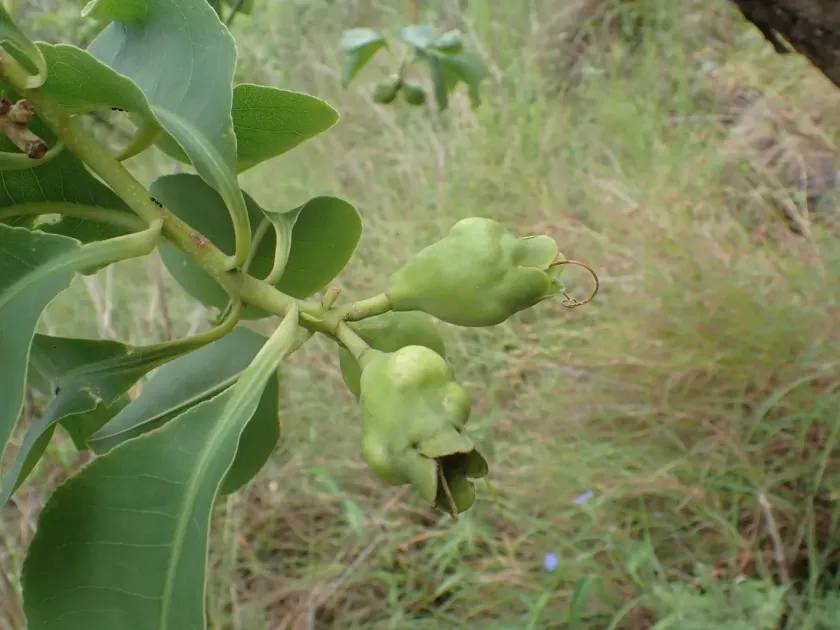
Description
Growing requirements
Planchonia careya, commonly known as the cocky apple or billy goat plum, is a species of tree in the family Lecythidaceae. It is native to the coastal regions and open woodlands of northern Australia, where it serves as a vital component of the local ecosystem.
The tree exhibits distinct botanical features, including thick, leathery leaves and a unique bark structure. The most striking characteristic is its nocturnal flowering, producing large, white to pinkish blossoms that are specifically adapted for pollination by bats and nocturnal moths.
The species requires a tropical climate with a marked seasonal variation in rainfall. It is intolerant of frost, meaning it must be planted in frost-free regions with consistent warmth. Optimal growth occurs in full sun, which promotes dense flowering and fruit production.
Soil requirements focus primarily on drainage. The species thrives in sandy loams or well-drained rocky soils that prevent root saturation. It is relatively tolerant of nutrient-poor soils, making it a robust candidate for ecological restoration in suitable climates.
Economically, the tree is valued for its edible fruit, which is harvested by local communities for nutrition. Additionally, the bark is known for its high tannin content, which has been historically utilized in traditional medicine and for leather processing techniques.
Main diseases and pests
The primary threats to Planchonia careya health include soil-borne pathogens that thrive in waterlogged environments. Maintaining proper site selection and ensuring excellent water drainage is the most effective preventative measure for long-term health.
Pest challenges include common tropical wood-boring beetles and occasional infestations of leaf-eating larvae. Integrated pest management, focusing on biological controls rather than synthetic pesticides, is recommended to maintain the tree's health and the quality of its edible products.