
Planchonia spectabilis
Planchonia spectabilis
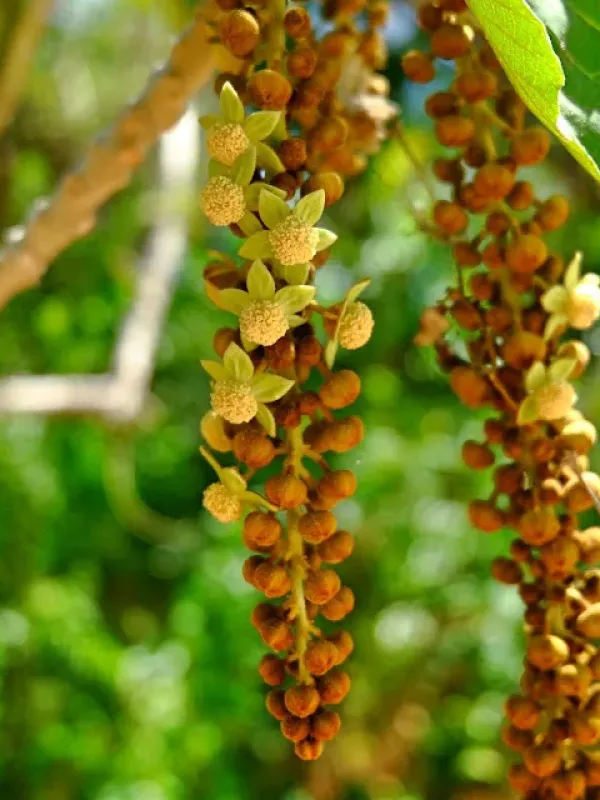
Description
Growing requirements
Planchonia spectabilis is a prominent member of the Lecythidaceae family, native to tropical environments where it thrives as a significant forest component. Understanding its ecological needs is key to successful management.
The crop requires a tropical climate characterized by high humidity and consistent warmth throughout the year. It does not tolerate frost, making it suitable only for specific geographic regions with stable climate profiles.
Regarding soil conditions, the plant favors deep, fertile, and well-drained loamy soils. It is essential to ensure that the substrate provides sufficient aeration to prevent root rot during intense monsoon rains.
Light intensity plays a critical role in the growth of Planchonia spectabilis. Mature trees enjoy full canopy light, while seedlings necessitate specific shade management strategies in the nursery stage to ensure survival.
Nutrient management involves regular monitoring of soil pH and mineral content. Given its rapid growth rate in optimal conditions, the plant requires consistent replenishment of nitrogen and potassium levels.
Harvesting
The primary agricultural interest in Planchonia spectabilis lies in its high-quality timber, which is valued for its durability, hardness, and resistance to environmental degradation in tropical climates.
Harvesting strategies are based on selective logging practices. This ensures that the forest structure is preserved while allowing the most productive trees to be utilized for construction and manufacturing purposes.
The maturity of the tree is assessed by stem diameter and wood density tests, ensuring the raw material meets specific industry standards before the felling process begins.
Processing techniques include immediate surface treatment and seasoning, which are vital to prevent checking and warping of the timber due to the high density of the wood fibers.
Sustainable plantation management remains the core goal for commercial operations, balancing the high demand for tropical hardwood with the need for ecological stability and long-term yield.