
Pityrogramma trifoliata
Pityrogramma trifoliata
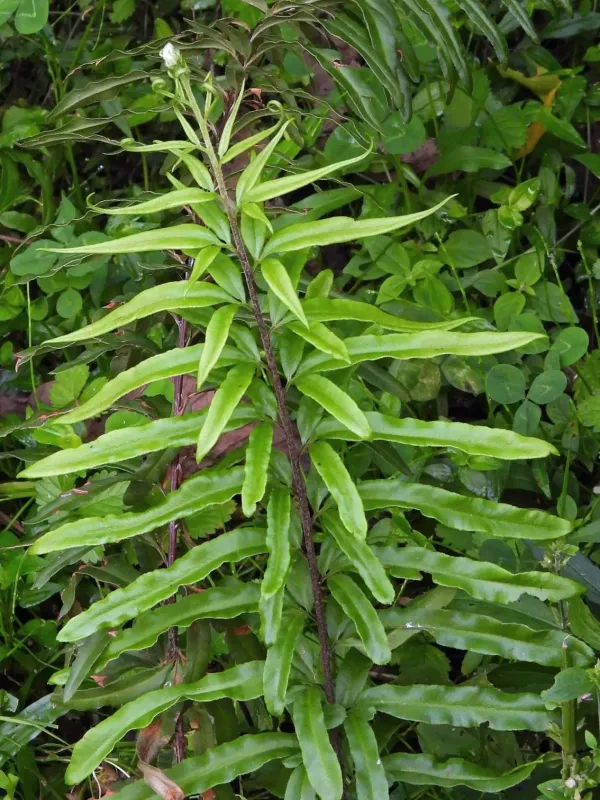
Description
Growing requirements
Pityrogramma trifoliata is an exotic perennial fern belonging to the Pteridaceae family. Native to the tropical and subtropical regions of America, it naturally inhabits moist and shaded forest ecosystems.
The plant is distinguished by its unique botanical features. Its fronds have a distinctive trifoliate structure, and the underside is covered with a characteristic farinose powder, which can range in color from white to gold or orange.
For successful cultivation, the plant requires a stable temperature range between +18 and +25 degrees Celsius. The crop is highly sensitive to sudden temperature fluctuations and drafts, which limits its outdoor cultivation in temperate climates.
The soil substrate must be loose, slightly acidic, and well-drained to prevent moisture stagnation at the roots. An optimal mixture consists of peat, leaf mold, and coarse sand in equal proportions.
In commercial and agricultural terms, Pityrogramma is primarily used as an ornamental crop in greenhouses, winter gardens, and as an indoor potted plant. It is prized by landscape designers for its unique foliage texture and ability to enhance interior spaces.
Main diseases and pests
Fungal diseases, often triggered by excessive soil moisture, pose the primary threat to this plant. Root rot can lead to rapid plant mortality if irrigation management is neglected.
Among pests, spider mites and scale insects are the most dangerous, as they thrive in low-humidity environments. Regular misting of the fronds is an effective preventive measure against these parasites.
The plant is also susceptible to mealybugs that congregate at the base of the fronds. For control, the use of systemic insecticides approved for ornamental crops is recommended.
Hygiene is a crucial aspect of plant protection: timely removal of old, damaged, or drying leaves reduces the risk of infection and makes the plant less attractive to pests.
Disease prevention relies on maintaining high air humidity (around 60-70%) and ensuring proper air circulation in the growing environment to keep the foliage healthy.