
Pityrogramma calomelanos
Pityrogramma calomelanos
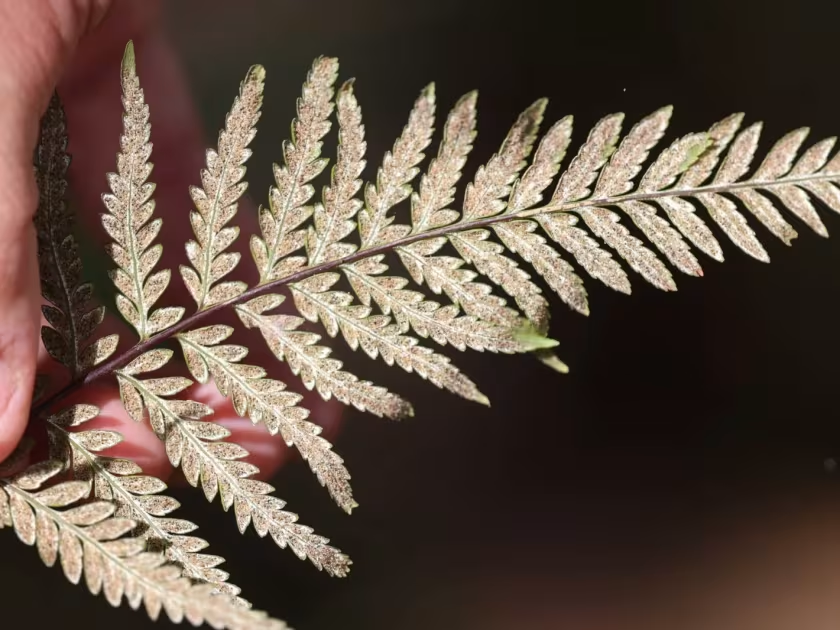
Description
Growing requirements
Pityrogramma calomelanos, commonly known as the silver fern or gold fern, is a species of fern in the Pteridaceae family. It is native to the tropical regions of the Americas and has been introduced to various parts of the world due to its ornamental value.
The plant is easily recognized by its fronds, which feature a distinct white or yellowish farina—a powdery, waxy secretion on the underside. This biological feature helps the fern retain moisture in its native tropical habitat.
Successful cultivation requires high humidity levels and indirect, bright light. Direct sunlight can scorch the delicate fronds, while extremely low light levels can cause the plant to lose its characteristic farina and vigor.
The preferred soil medium must be light, airy, and acidic to neutral in pH. A mixture of peat moss, pine bark, and perlite is ideal for mimicking the forest floor conditions and ensuring proper drainage.
Optimal growth occurs at temperatures between 18 and 25 degrees Celsius. It is crucial to protect the plant from cold drafts, which are often fatal to this tropical species, and to ensure constant air movement without strong winds.
Main diseases and pests
Scale insects are a primary threat to Pityrogramma calomelanos, often attaching themselves to the stems or the undersides of the fronds. These pests suck the plant's sap, weakening it over time.
Fungal leaf spots can develop if the foliage remains wet for extended periods. It is vital to water the soil directly rather than overhead to keep the frond surfaces dry and healthy.
Root rot is a common issue resulting from overwatering or poorly draining soil. If the roots stay saturated, the plant will decline rapidly; therefore, using pots with adequate drainage holes is essential.
Spider mites are prevalent in dry indoor environments and can quickly infest a fern. Monitoring the plant for fine webbing is a standard practice for early detection and mitigation.
When treating pests, it is highly recommended to avoid heavy chemical sprays that can strip the farina from the leaves, which is the plant's primary decorative and protective feature.