
Ebony goldback fern
Pityrogramma ebenea
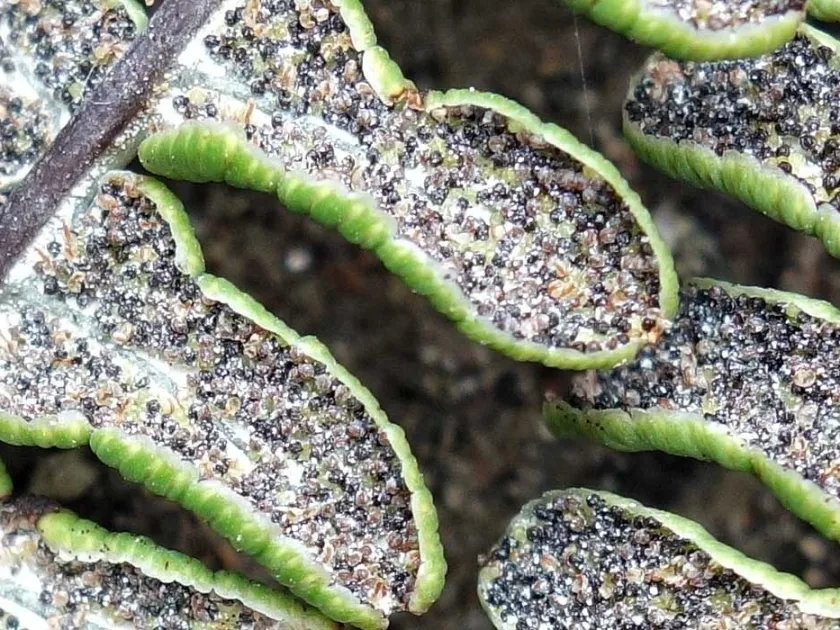
Description
Sowing dates
Propagation of Pityrogramma ebenea is primarily achieved through spores sown on a fine, sterile, and moist substrate surface in a protected environment.
Spring is the ideal season for sowing, as the increase in day length and ambient temperature provides the best conditions for early development.
Maintaining high humidity and a stable temperature around 22–25 degrees Celsius is essential for the successful germination of fern spores.
The sowing medium should be kept consistently moist using a fine mist spray to avoid displacing the spores or damaging the delicate prothallia.
Once the young sporophytes develop sufficient roots, they should be carefully transplanted into small pots with well-draining soil mixes.
Growing requirements
Belonging to the Pteridaceae family, this species originates from tropical regions, necessitating a stable environment to thrive as an ornamental crop.
The plant requires bright, indirect light; direct sunlight will scorch the leaves and degrade the unique farina covering the undersides of the fronds.
Well-draining, slightly acidic soil is mandatory. A mix containing peat, perlite, and bark provides the necessary aeration for the root system.
Consistent moisture is vital, yet the roots must never stand in water, as this leads to rapid decay and loss of vigor for the fern.
Optimal growth occurs at temperatures between 20 and 26 degrees Celsius, with a requirement for high ambient humidity throughout the growing season.
Main diseases and pests
Pest pressure from spider mites is common, especially in environments where air circulation is poor and humidity levels are too low.
Root rot caused by overwatering or compacted substrate is the most significant disease threat to this delicate fern species.
Scale insects and mealybugs can infest the fronds, requiring careful manual removal or the application of gentle horticultural soaps.
Fungal leaf spot diseases may develop if the foliage remains wet for extended periods, making proper spacing and air movement crucial.
Regular monitoring of the undersides of the fronds helps identify potential infestations early, preventing the spread of pests to other plants.