
Pinellia pedatisecta
Pinellia pedatisecta
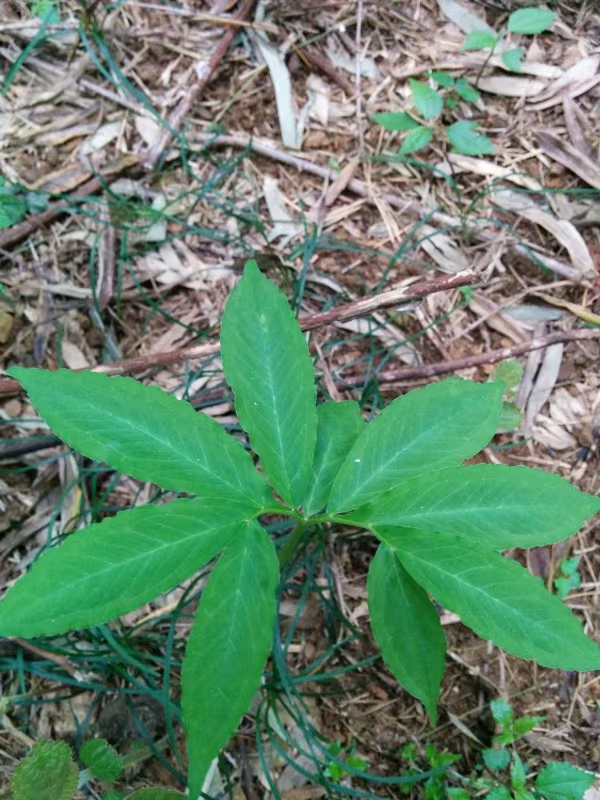
Description
Sowing dates
The propagation of Pinellia pedatisecta is primarily performed through the division of tubers, which is the most effective way to maintain plant vigor and consistency. Planting is usually carried out in early spring once the soil temperatures have risen sufficiently, typically after the danger of frost has passed.
For cultivation from seed, a greenhouse environment is recommended to manage the delicate germination process. Seeds require a period of stratification to break dormancy, after which they are sown into a light, nutrient-rich substrate, keeping the moisture consistent until emergence.
When planting tubers, it is essential to bury them at a depth of 5–8 cm to ensure they are adequately protected from surface temperature fluctuations. The spacing should be about 20–30 cm apart to allow enough room for the foliage to develop fully without crowding.
Soil preparation before sowing is critical. Incorporating organic matter, such as well-rotted compost, into the soil improves structure and nutrient availability, which are vital for the healthy development of the tubers during the initial growing stages.
After sowing, regular monitoring is necessary to prevent the topsoil from drying out completely. However, care must be taken not to overwater, as excessive moisture in the early stages can lead to tuber decay before the plant has established a sufficient root system.
Growing requirements
Pinellia pedatisecta belongs to the Araceae family and originates from shady, humid forests. In an agricultural setting, it performs best in partial shade, mimicking its natural environment. Intense, direct sunlight can cause leaf scorch and inhibit the plant's photosynthetic efficiency.
The soil should be loose, well-draining, and rich in humus with a pH balance between 6.0 and 7.0. Heavy soils are not suitable for this crop as they promote waterlogging, which inevitably leads to root rot and poor tuber development.
This plant thrives in temperate climates with optimal growth occurring between 18°C and 25°C. It is sensitive to extreme weather conditions, requiring protection from both harsh frosts and scorching heat waves through proper site selection or climate-controlled structures.
Maintaining appropriate air humidity is also important, especially in greenhouse settings. While the plant likes moisture, it requires good air circulation to prevent the buildup of fungal spores, which can be detrimental to the foliage and tubers.
Regular fertilization with balanced NPK formulas, specifically during the vegetative phase, encourages the expansion of the tubers. Using slow-release fertilizers is often preferred in large-scale operations to provide steady nutrition without the risk of salt buildup.
Yield
The yield of Pinellia pedatisecta is determined by the length of the growing season and the quality of the soil environment. Tubers usually reach their peak medicinal potential after two or three years of active growth, which is when they are harvested for use.
Commercial yields can be optimized by implementing drip irrigation systems, which deliver moisture precisely to the root zone. This efficient water usage prevents the soil surface from becoming compacted and ensures that the plants receive consistent resources.
Yield management includes regular assessment of plant health and tuber weight during the season. By selecting the healthiest, most vigorous tubers for replanting, growers can ensure high-quality production cycles and improve overall yield potential over time.
While the focus is on the tubers, the biomass of the foliage also serves as an indicator of general plant health. A robust canopy typically correlates with larger and more nutrient-dense tubers, making foliage management a critical component of maximizing crop output.
Careful post-harvest handling ensures that the yield remains high in quality. Minimizing damage to the tubers during removal from the soil is essential, as even minor cuts or abrasions can become entry points for pathogens, potentially destroying large portions of the harvest.
Main diseases and pests
Fungal diseases, particularly root and tuber rots (such as Pythium or Fusarium species), represent the most significant threat to Pinellia pedatisecta crops. These are often exacerbated by poor drainage and excessive moisture management.
Pests like slugs and snails are highly attracted to the succulent leaves of the plant. If left unchecked, these pests can skeletonize the foliage, significantly reducing the plant's ability to store energy in its tubers for the following season.
Greenhouse-grown plants may also face pressure from spider mites during periods of low humidity. Integrated pest management, including regular inspection and the use of natural predators or soft-chemical controls, is advised to keep populations in check.
Preventative measures, such as crop rotation and the thorough sterilization of tools and equipment, are fundamental to disease control. Avoiding replanting in the same location for several years helps break the life cycle of soil-borne pathogens.
Early identification of symptoms is vital. Any plants showing signs of chlorosis, wilting, or necrotic spots should be removed immediately to quarantine the affected area and prevent the spread of disease to the rest of the crop.
Harvesting
Harvesting Pinellia pedatisecta occurs in the autumn once the aerial parts of the plant have naturally withered and yellowed. This senescence is the signal that the plant has redirected all available nutrients into the storage organ, the tuber.
Tubers are carefully lifted from the ground using mechanical diggers or hand tools. It is crucial to preserve the outer skin of the tubers, as this natural barrier is essential for protecting the interior from decay during the storage phase.
Once lifted, the tubers must be thoroughly cleaned of debris and soil. They are then placed in a controlled drying environment where air circulation is excellent and temperatures remain moderate to prevent the degradation of thermolabile medicinal compounds.
Sorting is the final step before storage, where tubers are graded by size and quality. Any specimens showing signs of soft rot or insect damage are discarded to prevent cross-contamination within the storage environment.
Storage requires cool, dry, and dark conditions. Proper aeration of containers or bags is necessary to avoid moisture accumulation, which could trigger sprouting or fungal growth if temperatures rise unexpectedly during the dormant period.