
Physcomitrella
Physcomitrella
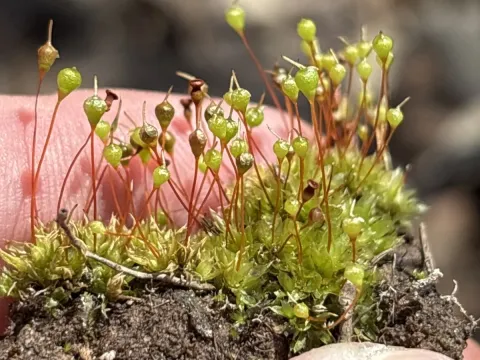
Physcomitrella, botanically identified as Physcomitrium patens, belongs to the Funariaceae family. While not a commercial crop for human consumption, it serves as a critical model organism in plant biology, valued for its unique genetic properties and simplicity of cultivation.
What the section contains

Physcomitrella
The plant originates from temperate regions across the Northern Hemisphere. It typically inhabits moist, open habitats such as muddy shores of ponds or seasonal wetlands, which allow it to propagate rapidly in environments where competition from higher plants is reduced.
The main botanical characteristic of this species is its lifecycle, dominated by the haploid gametophyte phase. Its genome has been fully sequenced, providing researchers with a robust map to study gene function, developmental biology, and the evolutionary history of land plants.
Cultivation requirements involve specific laboratory conditions rather than traditional farming. It is grown on synthetic media, such as Knop medium, under controlled lighting and temperature (20–25°C). Maintaining high humidity is essential for the moss to develop its characteristic protonema and gametophores.
The primary use of this culture is within the biotechnology sector. It is used as a host for protein production and for studying stress resistance mechanisms. Through precise genetic engineering, scientists utilize this moss to understand how plants adapt to global climate challenges.