
Physcomitrella patens
Physcomitrella patens
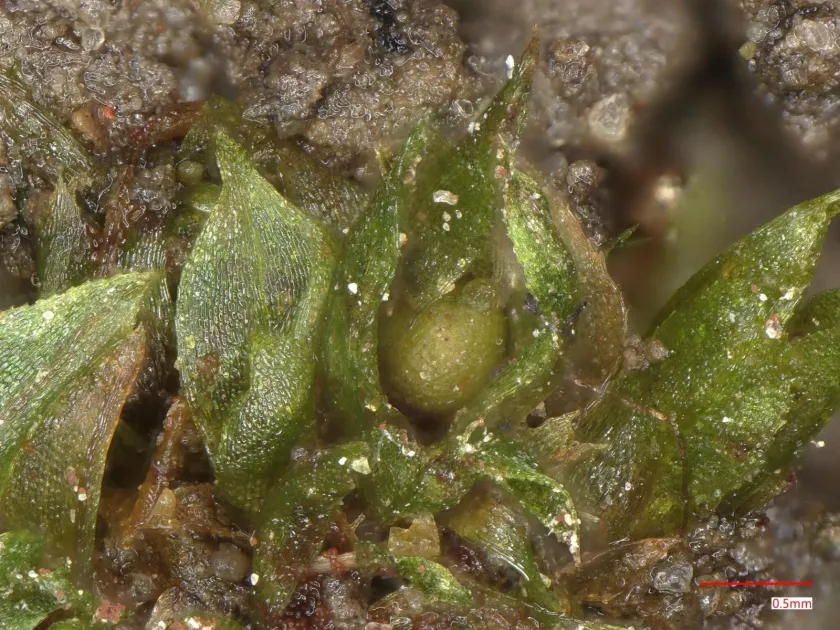
Description
Growing requirements
Physcomitrella patens is a species of moss belonging to the Funariaceae family. Unlike conventional crops, it serves as a critical model organism for botanical research, genetic engineering, and molecular farming applications globally.
The plant naturally thrives in moist, open habitats, frequently found on periodically dried-out substrates along riverbanks. However, agricultural-style production occurs in high-tech bioreactors designed for optimal biomass yields.
Cultivation requires specialized mineral media under strict light control to maximize the rate of photosynthesis. The plant's high capacity for homologous recombination makes it a preferred subject for targeted gene modification.
Environmental management involves maintaining precise temperature and pH levels to ensure consistent cellular growth. This controlled environment minimizes phenotypic variability and maximizes the production of desired secondary metabolites.
The primary economic use of this species is in the pharmaceutical sector. It acts as a biological factory for producing complex proteins, antibodies, and enzymes used in modern medicine, effectively replacing traditional harvest methods.
Main diseases and pests
In large-scale production, the most significant threat is microbial contamination, such as fungi or bacteria, which can compromise the purity of the cell culture. Rigorous sterilization protocols are essential for success.
Common diseases affecting mosses in nature, including necrotic infections, are effectively managed through bioreactor isolation. There is no need for conventional chemical fungicides due to the sterile laboratory nature of cultivation.
Pests do not present a significant risk in controlled laboratory or industrial indoor settings. This allows for the production of biomass without the ecological impact associated with traditional pesticide usage.
Quality assurance protocols rely on constant monitoring of cellular density and metabolic activity. Deviations in growth are detected early to prevent the loss of the entire batch in the bioreactor environment.
Biosecurity is the foundation of protecting the crop. By maintaining closed-loop systems, developers ensure that the production remains consistent and free from outside biological interference throughout the entire cycle.