
Phthirusa adunca
Phthirusa adunca
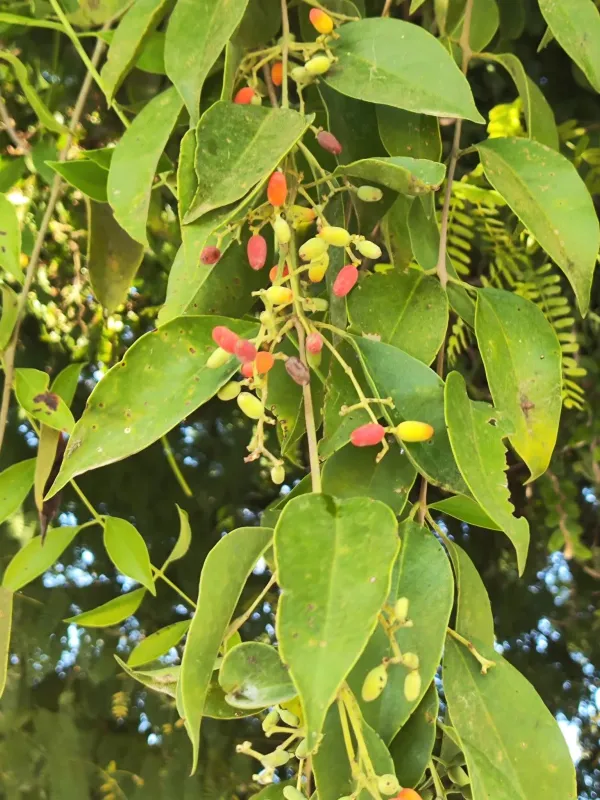
Description
Growing requirements
Phthirusa adunca is a notable species within the Loranthaceae family, known for its hemiparasitic lifestyle. While not a conventional agricultural crop, it serves as a critical component in the biodiversity of tropical ecosystems.
The plant originates from the tropical regions of Central and South America. It typically grows in forest canopies, where it colonizes various host trees to extract essential nutrients and water directly from the host's vascular system.
The morphology of the plant is defined by specialized structures called haustoria. These organs allow Phthirusa adunca to physically and physiologically integrate with the host plant, effectively bridging its xylem with the host’s tissues.
Environmental requirements for this species are centered around the tropical climate, specifically high humidity and consistent temperature regimes. It thrives in well-lit areas within the canopy, which allows for optimal photosynthetic activity throughout the year.
Regarding its survival strategies, the plant relies on avian vectors for seed dispersal. Once established, it remains a permanent hemiparasite, extracting resources from its host while contributing to the complex ecological balance of the tropical canopy environment.