
Uruguayan cereus
Cereus hildmannianus K. Schum. subsp. uruguayanus (R. Kiesling) N. P. Taylor
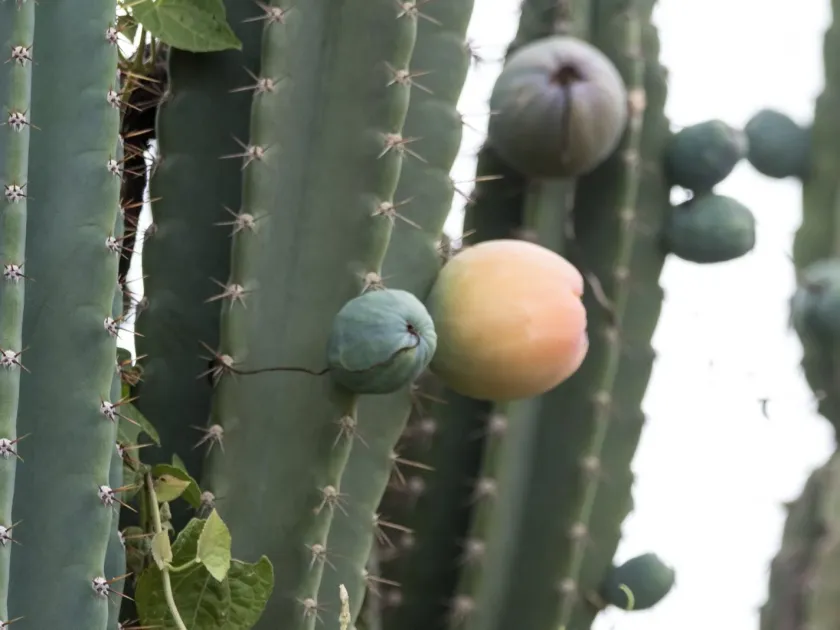
Description
Growing requirements
Uruguayan cereus (Cereus hildmannianus subsp. uruguayanus) belongs to the Cactaceae family. It is a robust, columnar succulent that can grow to impressive heights in its native South American habitats, including regions of Uruguay and Brazil.
The plant requires well-draining, sandy-loam soils to thrive. In agricultural settings, ensuring proper aeration of the root zone is critical, as waterlogged soil leads to rapid necrosis of the root system and plant loss.
As a sun-loving species, it requires high levels of solar exposure throughout the year. Insufficient light results in elongated, weak stems that lack the structural integrity required for fruit production and proper plant development.
Climate requirements include a warm growing season with temperatures between 20°C and 30°C. During the dormant winter phase, temperatures should be kept lower to promote physiological rest, which is a prerequisite for subsequent seasonal flowering.
Irrigation practices must be disciplined. Deep, infrequent watering allows the substrate to dry completely, which mimics the natural arid cycles of the plant's native environment and prevents common moisture-related disorders.
Yield
The primary agricultural output of the Uruguayan cereus is its edible fruit. These fruits are nutritious, flavorful, and harvested once they reach full maturity, indicated by a deep skin color and aromatic fragrance.
Yield optimization is achieved through careful nutrient management. Although the plant is adapted to nutrient-poor soils, supplemental potassium fertilization during the flowering stage significantly improves fruit size and quality.
Post-harvest handling is vital, as the skin is delicate. Fruits should be stored in cool, dry conditions to maximize shelf life, making them suitable for local markets and culinary processing into jams or fresh juices.
In addition to fruit, the plant provides aesthetic value and erosion control in arid landscapes, offering a dual-purpose potential for commercial farms located in dry regions.
High-yield consistency depends on genetic selection and the maintenance of a favorable microclimate, ensuring that plants have enough biomass to support energy-demanding fruit production cycles.
Main diseases and pests
Root rot, often caused by Phytophthora species, represents the most significant threat to plant health. Prevention through strict drainage protocols and clean cultivation practices is the primary defense strategy.
Common pests include mealybugs and spider mites. These pests hide in the crevices of the ribs, making manual detection difficult. Regular scouting and the use of insecticidal soaps are recommended for small-scale infestations.
For large-scale management, systemic insecticides may be necessary to curb pest populations. Always follow local environmental regulations and application intervals to ensure the safety of the final fruit product.
Environmental stress, such as sudden drops in temperature combined with high humidity, can make the plant susceptible to secondary bacterial infections. Providing shelter or wind protection during extreme weather events is advised.
Good agricultural practice dictates that any symptomatic plant material should be immediately removed and destroyed to prevent the spread of disease within the orchard, keeping the rest of the crop secure.