
Cereus hildmannianus
Cereus hildmannianus K. Schum.
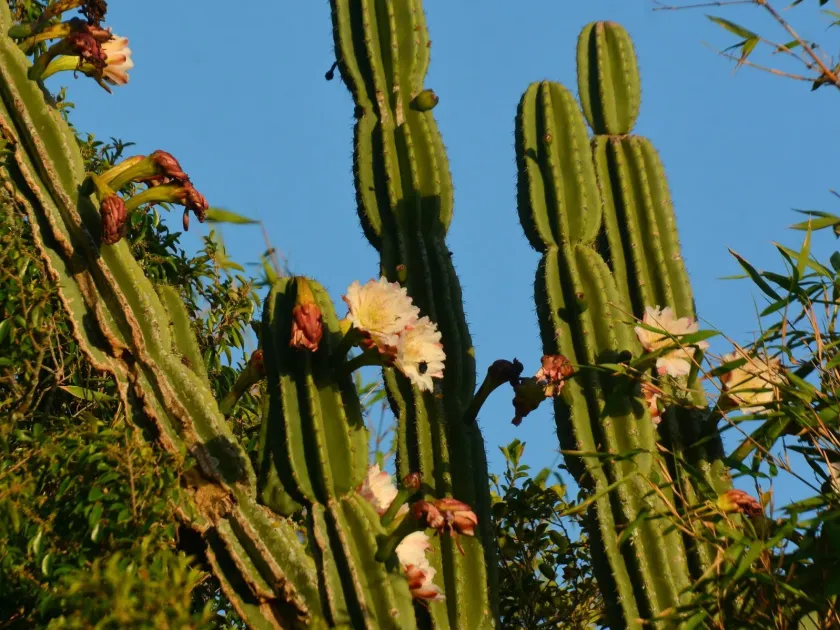
Description
Growing requirements
Cereus hildmannianus is a prominent member of the Cactaceae family, recognized for its impressive column-like architecture and structural durability in arid environments.
Native to South America, specifically regions in Brazil and Argentina, this species has evolved to thrive in rocky soils and open habitats exposed to intense sunlight.
In cultivation, it requires a well-lit location, preferably full sun, to maintain its structural integrity and prevent etiolation, which is common in low-light conditions.
The substrate must be highly porous and inorganic-based, typically consisting of a mix of sand, pumice, and gravel to ensure rapid water drainage away from the roots.
Temperature management is critical: while the plant is tolerant of heat, it requires a cooler dormant period during winter, ideally between 10°C and 12°C, to remain healthy and prepare for the next growing season.
Main diseases and pests
Mealybugs and spider mites are the most frequent pests, often congregating in the crevices between the ribs where they feed on the succulent tissue of the plant.
Root rot and stem rot, caused by overwatering or soil with poor aeration, are the primary disease threats that can lead to rapid decline if not identified early.
To control pest populations, growers should use targeted systemic insecticides or horticultural oils, applied carefully to ensure coverage within the cactus ribs.
Preventative measures against fungal pathogens include maintaining a strict watering schedule, ensuring complete soil desiccation between waterings, and promoting good air circulation.
If rot is detected, the affected tissue must be surgically removed back to healthy green flesh, followed by the application of sulfur powder or an antifungal agent to encourage callousing.