
Star of Persia
Allium cristophii Trautv.
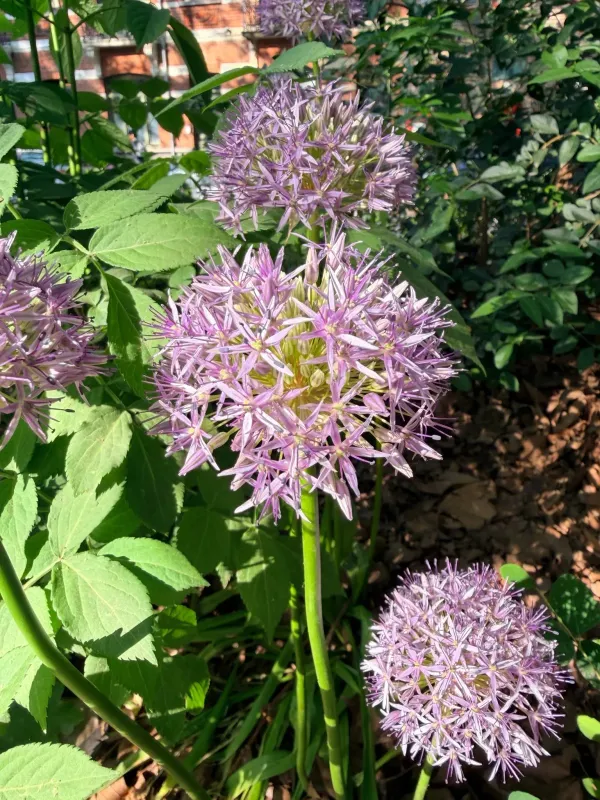
Description
Sowing dates
The Star of Persia (Allium cristophii), a member of the Amaryllidaceae family, should be planted during the autumn months. September to early October is the ideal window to ensure the bulbs establish a strong root system before the ground freezes.
Plant the bulbs at a depth approximately three times their own height. This placement protects the bulbs from extreme weather fluctuations and provides the necessary stability for the heavy flower stems that emerge in the following spring.
Space the bulbs 20 to 30 centimeters apart to allow for proper airflow and root development. Sufficient spacing is crucial for preventing competition and ensuring each plant produces its iconic, large, metallic-looking inflorescence.
Select firm, disease-free bulbs for planting. Treating the bulbs with a mild fungicide prior to planting is a recommended practice to minimize the risk of soil-borne pathogens attacking the dormant bulbs.
These plants can remain undisturbed in the ground for several years, usually 3 to 5 years. Eventually, the bulb clusters become overcrowded, signaling the time to divide and replant them into fresh, nutrient-rich soil.
Growing requirements
As a plant originating from arid mountain regions, it demands full sun exposure. Placing the bulb in a location that receives at least six to eight hours of direct sunlight is essential for successful blooming.
Soil must be exceptionally well-drained, as the bulbs are highly susceptible to rot if left in standing water. Sandy or gritty soils are preferred, and heavy clay should be amended to improve drainage.
The species is remarkably drought-tolerant once established. Watering should be kept to a minimum, and it is vital to stop watering entirely once the foliage starts to yellow and die back in the early summer.
Apply a balanced, slow-release fertilizer in early spring when the first shoots appear. A second application during the bud formation stage can help support the development of the massive, star-shaped flowers.
In colder regions, applying a light layer of mulch, such as pine bark or dry leaves, can help insulate the soil against sharp frost cycles, ensuring the bulbs survive the winter dormant period unharmed.
Main diseases and pests
Downy mildew is the most common fungal issue, characterized by greyish spots on the leaves. Proper spacing and full sun exposure are the best preventative measures to keep humidity levels around the foliage low.
Bulb rot, often caused by waterlogged soil, can lead to the sudden collapse of the plant. If any signs of mushy bulbs are detected during digging, they must be discarded to prevent the spread of decay.
The onion fly is a persistent pest that can damage the developing bulbs and stems. Using physical barriers like insect netting or practicing good garden hygiene can significantly reduce the impact of these insects.
Nematodes may also cause stunted growth or distorted leaf tips. Maintaining a rigorous crop rotation plan and sourcing clean, healthy planting stock are the best ways to keep the garden free from these pests.
Early detection is vital for successful management. Regular inspection of the garden bed during the growing season helps in spotting issues before they escalate into major problems for your allium collection.
Harvesting
Wait until the foliage has turned completely yellow or brown before harvesting or cleaning up the garden bed. This indicates that the plant has successfully stored all necessary energy for the next year.
Carefully lift the bulbs using a garden fork, being mindful not to slice or puncture the bulb scales. Once harvested, gently remove excess soil and debris from the base of the bulbs.
Allow the bulbs to air-dry in a shaded, well-ventilated area for several days. This curing process helps heal any minor wounds and hardens the outer skin, which is essential for successful long-term storage.
After curing, sort the bulbs by size and inspect them for any remaining soft spots. Store them in a cool, dry, and dark place using mesh bags that allow the bulbs to breathe throughout the winter.
Proper harvesting and storage techniques prevent dehydration and disease. Well-cared-for bulbs will reward you with stronger, more vibrant blooms in the next growing season, maintaining the beauty of your garden display.