
Pericopsis mooniana
Pericopsis mooniana
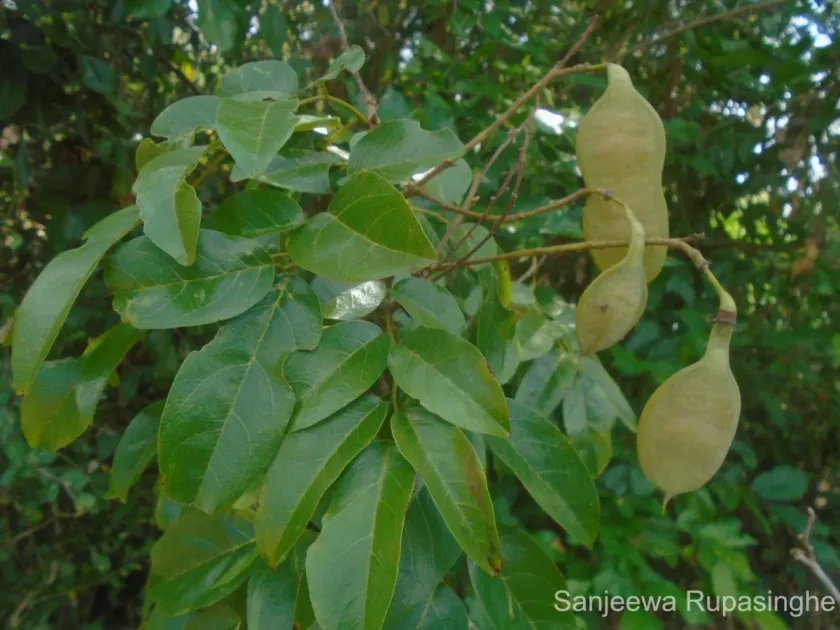
Description
Growing requirements
Pericopsis mooniana is a notable tropical tree species belonging to the Fabaceae family. Native to Southeast Asia, specifically regions like the Philippines and Indonesia, it is highly valued for its dense, durable wood, often traded under the name nayatoh or asamboa.
The cultivation of this species requires a strictly tropical environment with high average temperatures throughout the year. It thrives in lowland rainforest areas, where consistent humidity levels are maintained, ensuring steady physiological processes and biomass accumulation.
In terms of soil, Pericopsis mooniana prefers deep, alluvial, and well-drained soil types. However, its biological plasticity allows it to adapt to various moisture conditions, including slightly waterlogged areas, which reflects its natural habitat near river basins.
The agrotechnical approach starts with seed treatment, specifically scarification, to overcome dormancy caused by the hard seed coat. Nursery management is critical, as young trees require adequate protection from wind and direct sunlight during their initial development stages.
As a leguminous tree, Pericopsis mooniana plays a vital role in soil health by fixing atmospheric nitrogen through root nodules. This feature makes it an excellent candidate for enrichment planting and sustainable agroforestry initiatives in its native tropical range.
Harvesting
The primary economic focus of this crop is the harvesting of high-quality timber. The wood is renowned for its excellent strength, fine texture, and high resistance to termites and fungal decay, making it ideal for flooring, fine furniture, and heavy construction.