
Pericopsis laxiflora
Pericopsis laxiflora
Description
Growing requirements
Pericopsis laxiflora is a tree species belonging to the Fabaceae family, native to the savanna and woodland regions of Tropical Africa. It is a highly resilient plant, naturally evolved to thrive in environments with distinct wet and dry seasons, demonstrating significant tolerance to seasonal water stress.
The cultivation of this species requires well-drained soils, as waterlogging can negatively impact root development. As a heliophilous species, it demands full exposure to sunlight to achieve its maximum growth potential, making it an excellent candidate for reforestation projects in open savanna areas.
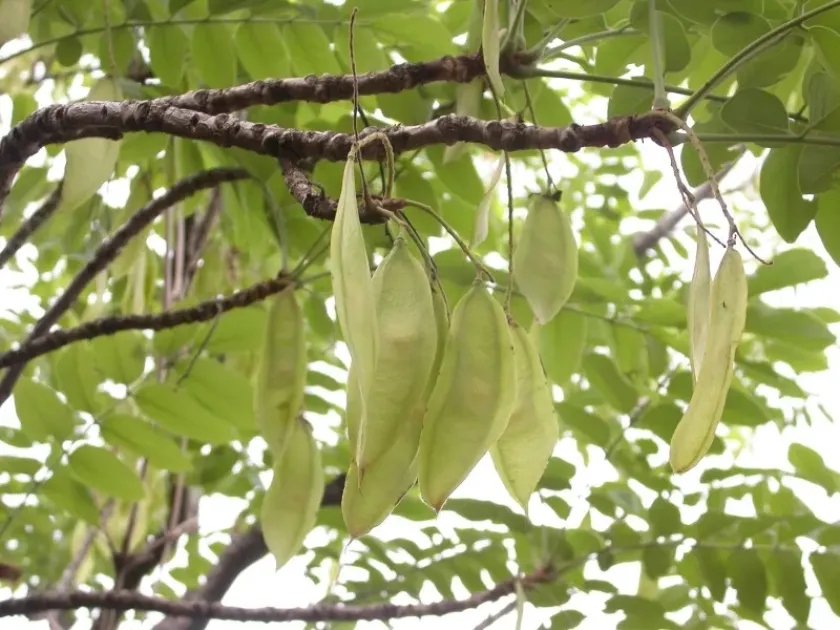
Botanically, the tree exhibits moderate height and a robust trunk structure. Its complex leaves and leguminous fruits allow it to fix nitrogen, contributing to soil fertility, which is a significant advantage in agroforestry systems where it is intercropped with other agricultural commodities.
Agronomic management involves careful selection of planting sites and protection against initial competition from invasive grasses. Providing adequate spacing during the early stages of plantation development is essential to ensure the trees grow straight and develop the high-quality logs desired for industrial timber processing.
The primary economic utility of the tree is its dense, durable, and termite-resistant wood. It is widely harvested for premium construction, high-end cabinet making, and specialized woodwork. Beyond timber, various parts of the tree are traditionally utilized in local medicine, underscoring its diverse value to communities.
Main diseases and pests
Common threats to the health of Pericopsis laxiflora include wood-boring insects, which can cause significant degradation to the timber value if not managed appropriately. Furthermore, fungal infections may occur in stagnant conditions, potentially leading to root rot if the drainage is not properly maintained.
Leaf-eating pests often pose a challenge to younger trees, reducing the photosynthetic capacity and slowing down initial growth rates. Implementing integrated pest management strategies, such as regular monitoring and maintaining optimal tree density, is vital for the long-term success of timber production.