
Quaking grass
Briza media L.
Description
Growing requirements
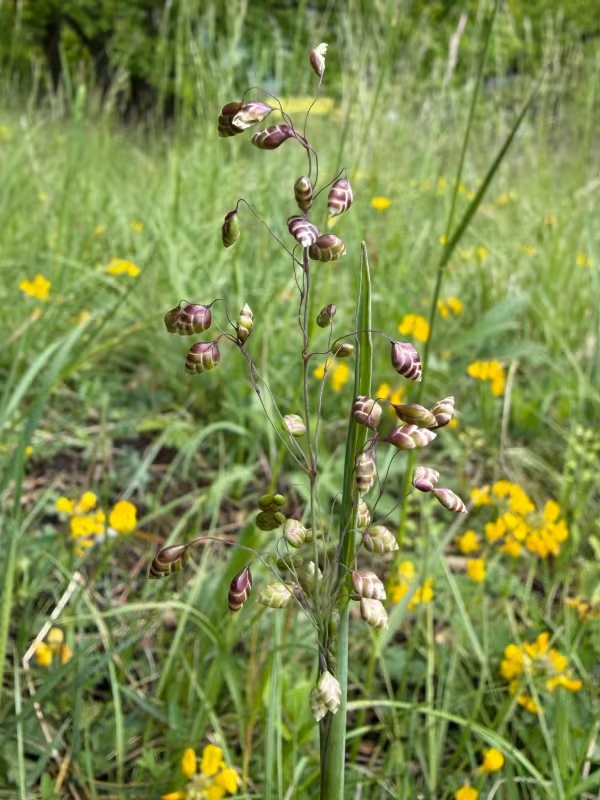
Quaking grass (Briza media L.) is a perennial grass species belonging to the Poaceae family. It is widely recognized for its unique drooping spikelets that tremble in the wind, making it both an ecologically significant plant and a popular ornamental.
The plant is native to a broad range of habitats across Europe and temperate Asia, typically thriving in chalky grasslands, meadows, and woodland edges. It possesses a high tolerance for calcareous soils, which is one of its key ecological markers.
Climatic requirements for Briza media are relatively flexible; it is highly winter-hardy and capable of enduring cold snaps without damage. However, it requires well-drained soil and does not perform well in waterlogged areas or heavy, acidic clays.
Agricultural management of this species involves maintaining appropriate competition levels within a meadow. It responds well to controlled grazing, which helps in spreading seeds and maintaining the vigor of the sward.
In terms of soil fertility, the plant is adapted to nutrient-poor or moderate conditions. Excessive nitrogen fertilization is generally discouraged, as it can encourage overly aggressive growth of competing grasses, leading to the suppression of the quaking grass.
Yield
As a forage crop, quaking grass provides moderate nutritional value. It is best utilized as a component of mixed permanent pastures rather than a monoculture, contributing to the overall diversity and palatability of the grazing land.
The yield of biomass is sustainable under traditional meadow management regimes, where harvesting occurs after the primary seed-setting period. This practice ensures both the maintenance of the plant stand and the regeneration of the seed bank.
Ornamental yield is measured by the quantity and quality of the panicles produced annually. For floral use, harvesting should be done when the spikelets are fully formed but before they lose their characteristic structural integrity.
Seed production is consistent, and the species is frequently utilized in ecological restoration projects aimed at reconstructing native grassland habitats, where it establishes reliably from seed.
The persistence of the plant in a pasture setting adds to the long-term productivity of the land, as its deep root system contributes to soil stability and drought resistance during the summer months.
Main diseases and pests
Like many wild grasses, Briza media is relatively resilient, but it can be susceptible to fungal pathogens such as rust (Puccinia spp.) during periods of prolonged high humidity and poor air circulation.
Pest pressure is usually low, though occasional outbreaks of cereal aphids can occur. These insects feed on plant sap and can weaken the stems if infestations are not checked by natural predators.
- Monitoring for signs of leaf discoloration.
- Avoiding excessive irrigation that promotes fungal growth.
- Implementing rotational grazing to prevent over-accumulation of litter.
Biological control is the preferred method for managing pests in meadows where quaking grass is present, ensuring the safety of pollinators and other beneficial insects inhabiting the grassland ecosystem.
Maintaining a balanced nutrient profile in the soil helps the plants sustain a robust immune response, reducing the likelihood of severe outbreaks of either pathogens or herbivorous pests.