
Paxistima
Paxistima Raf.
Paxistima is a genus of evergreen low-growing shrubs belonging to the Celastraceae family. Native primarily to North America, these plants thrive in diverse environments, ranging from dense woodland understories to rocky slopes, showcasing their adaptability and resilience.
What the section contains

Paxistima
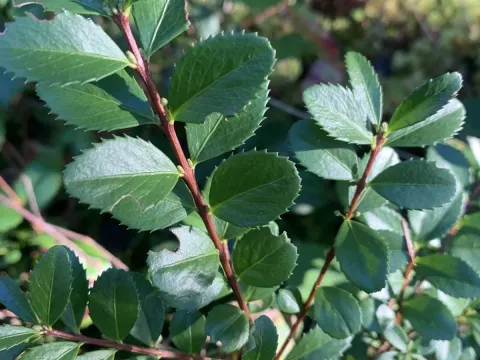
Botanically, Paxistima is characterized by its dense, branching structure and small, leathery leaves that remain dark green throughout the year. The flowers are typically inconspicuous, emerging in the leaf axils, which emphasizes the plant's value as a foliage-oriented ornamental species.
To ensure optimal development, Paxistima requires well-drained soil with a slightly acidic to neutral pH. Proper soil structure is essential, as the roots are sensitive to waterlogging. Incorporating organic matter into the planting hole helps maintain the necessary moisture balance while preventing saturation.
The climate requirements for this culture include high winter hardiness, making it suitable for temperate regions. It performs best in partial shade, where it is shielded from the intense afternoon heat and the dehydrating effects of direct sunlight during the winter months.
In terms of agricultural and horticultural use, Paxistima is highly regarded as a reliable groundcover. Its slow growth rate and compact habit make it an ideal choice for borders, rock gardens, and areas where low-maintenance, year-round greenery is desired to suppress weed growth.
Paxistima is generally robust, but it can be susceptible to fungal diseases such as powdery mildew, especially if planted in areas with poor air circulation. Providing adequate spacing between plants and avoiding overhead irrigation can significantly mitigate the risk of these infections.
Common pests include spider mites and scale insects, which may infest the foliage during hot and dry spells. Integrated pest management, involving regular monitoring and the use of horticultural oils or soap sprays, is typically sufficient to keep these populations under control.