
Paspalum plicatulum
Paspalum plicatulum Michx.
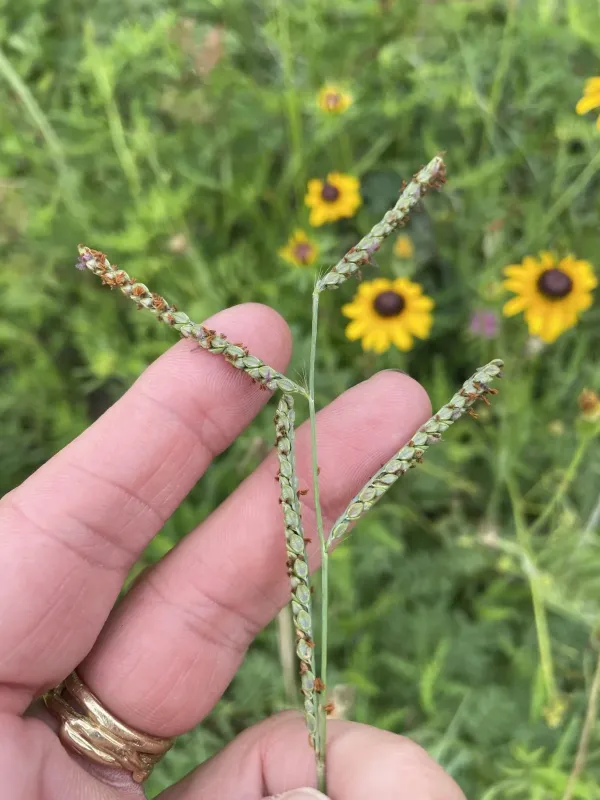
Description
Growing requirements
Paspalum plicatulum, commonly known as brownseed paspalum, is a perennial grass species belonging to the Poaceae family. It is a highly valued forage crop recognized for its robustness and ability to provide consistent biomass in tropical and subtropical regions.
The native range of this species extends across the Americas, where it thrives in various environments. It has been successfully introduced to other tropical areas globally, serving as a primary component for cattle grazing systems and hay production.
The crop prefers well-drained soils but demonstrates remarkable tolerance to periodic waterlogging, making it suitable for areas with heavy rainfall. While it adapts well to different soil types, it performs best in soils with moderate to high fertility.
Temperature requirements are centered around 20 to 30 degrees Celsius. As a warm-season grass, it is sensitive to heavy frosts, which can damage the foliage and limit its active growth during colder months in higher latitudes or elevated regions.
Botanically, Paspalum plicatulum is characterized by its erect stems reaching up to 1 meter in height and leaves with a distinct pleated appearance at the base. Its dense, fibrous root system allows for significant drought resistance and makes it an effective species for soil stabilization.
Yield
Paspalum plicatulum is primarily utilized in pastoral systems for grazing livestock, including cattle and sheep. It offers good nutritional value during its vegetative phase, providing essential protein and digestible energy for grazing animals.
Effective management is crucial to maximizing yield; rotational grazing is recommended to ensure that the grass is consumed at its most nutritious stage. Overgrazing can deplete root reserves, while under-grazing leads to stem elongation and reduced forage quality.
Productivity is highly responsive to nitrogen fertilization. Under optimal soil moisture and fertility conditions, the crop can produce multiple harvests within a single growing season, providing a stable food supply throughout the warm months.
When used for hay production, harvesting should be performed before the onset of flowering. Early harvesting ensures the highest concentration of nutrients and prevents the forage from becoming too lignified and difficult for livestock to digest.
Beyond its value as animal feed, Paspalum plicatulum plays a key role in conservation efforts. Its ability to grow rapidly and form a strong root network makes it an excellent choice for re-vegetating degraded lands and controlling soil erosion on sloping pastures.
Main diseases and pests
Like many perennial grasses, Paspalum plicatulum is susceptible to fungal diseases such as leaf rust and various spots, particularly in humid and warm climates. These conditions favor pathogen development, which can reduce biomass output.
Insect pests are also a concern, with various grasshoppers and lepidopteran larvae occasionally causing significant damage. These pests can rapidly defoliate pastures if populations are left unchecked, negatively affecting the overall grazing capacity.
Disease and pest management focus on integrated approaches, starting with maintaining vigorous plant health through appropriate fertilization and grazing intervals. Preventing excessive moisture accumulation in the canopy is also an effective preventative measure.
If significant disease outbreaks occur, immediate grazing or mechanical mowing is the preferred method to remove affected tissues and promote the growth of fresh, uninfected foliage during the subsequent cycle.
Chemical control is rarely utilized due to the plant's primary role as a continuous pasture crop. Any applications of pesticides must strictly adhere to safety intervals to ensure the health of the livestock consuming the grass.