
Parakeet flower
Heliconia psittacorum L. f.
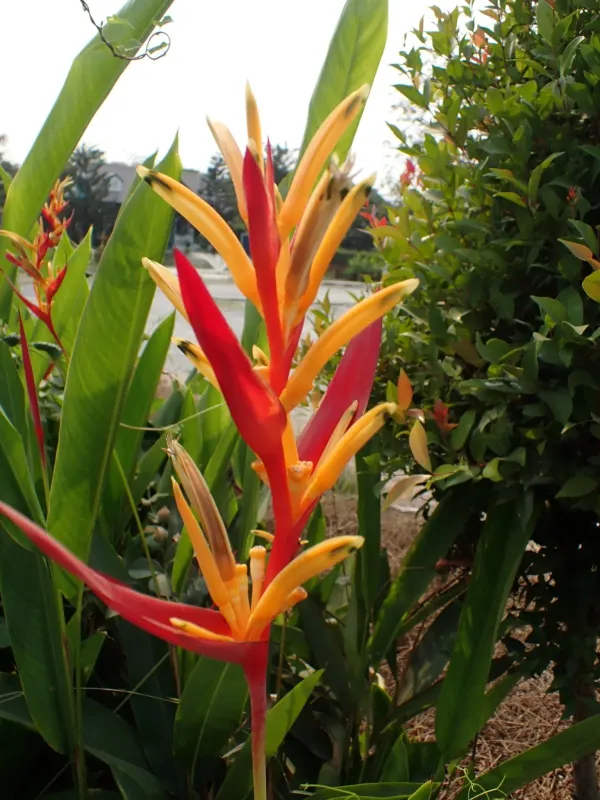
Description
Sowing dates
Heliconia psittacorum, commonly known as the parakeet flower, is a rhizomatous perennial herb belonging to the Heliconiaceae family, native to the tropical regions of Central and South America.
In commercial cultivation, this species is primarily propagated vegetatively through the division of healthy rhizomes, which ensures the consistency of the flower traits.
The planting process requires a warm, well-draining soil medium rich in organic matter, with temperatures ideally ranging between 22 and 28 degrees Celsius to stimulate rapid growth.
While seeds can be used for propagation, they often exhibit low germination rates and a long development period, making rhizome division the preferred industrial method.
Optimal planting occurs during the start of the warm season when light intensity increases, promoting the development of robust vegetative structures before the flowering cycle.
Growing requirements
As a tropical plant, the parakeet flower thrives in high-humidity environments and requires consistent warmth, with a minimum threshold of 15 degrees Celsius for basic survival.
The plants demand bright, indirect sunlight; direct exposure during peak hours can cause leaf scorch, necessitating the use of shade cloth in commercial greenhouses.
Soil management is critical, as the plant requires a porous, slightly acidic, and moisture-retentive substrate to prevent root rot caused by stagnant water.
Regular irrigation is essential, coupled with a balanced fertilization schedule high in potassium to promote healthy stem development and vibrant bract coloration.
Proper air circulation is necessary to prevent the buildup of humidity, which can otherwise lead to the proliferation of fungal pathogens on the dense foliage.
Yield
The yield of Heliconia psittacorum is measured by the quality, length, and color intensity of the spikes produced throughout the vegetative season.
Productivity is highly dependent on environmental management; well-maintained plantations can yield significant quantities of stems annually per square meter.
Aging plants tend to lose productivity, which necessitates a systematic replanting schedule, typically every few years, to ensure high market-grade quality.
Strategic pruning of spent stems encourages the plant to allocate energy toward new floral development, thereby increasing the overall cycle yield.
Data-driven nutrient management is vital to maximize the number of stems per plant and ensure that the bracts meet the required size standards for export.
Main diseases and pests
Heliconia crops are frequently targeted by pests such as spider mites, mealybugs, and scale insects, which cause significant damage to the leaves and developing inflorescences.
Fungal diseases, including leaf spot and various types of root rot, are common if the plants are subjected to poorly drained soil or excessive surface moisture.
Effective pest control involves a combination of biological monitoring and the targeted use of systemic insecticides to maintain plant health throughout the season.
Fungal infections are best managed through proactive sanitation practices and the application of protective fungicides to safeguard the crop from secondary stressors.
- Frequent scouting for pest early warning signs.
- Proper drainage installation to mitigate root diseases.
- Sterilization of cutting tools between plants to prevent viral spread.
Harvesting
Harvesting is performed in the early morning when the dew has evaporated, and the inflorescences have reached the desired level of bract development.
Stems must be cut with a sharp, sterile blade at the base to prevent damage to the rhizome, allowing the plant to recover and produce further cycles.
Post-harvest care involves immediately placing stems in water treated with flower food to maintain turgor pressure and extend the shelf life of the cut product.
Grading is based on stem length and inflorescence maturity, with high-quality specimens wrapped in breathable protective sleeves for storage and transport.
The floral product must be kept at a steady, cool temperature during distribution to ensure the parakeet flower maintains its vibrant appearance until it reaches the end consumer.