
Heliconia uxpanapensis
Heliconia uxpanapensis C. Gut. Báez
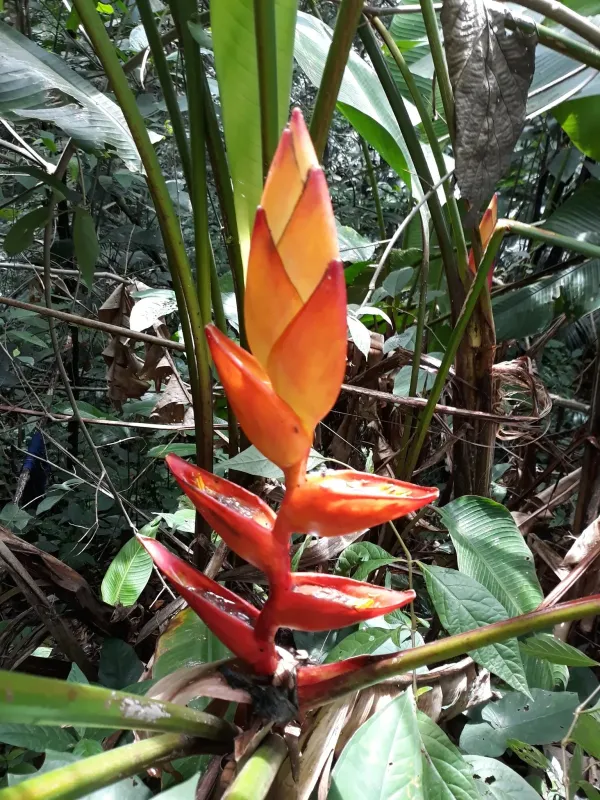
Description
Growing requirements
Heliconia uxpanapensis is a distinctive species within the Heliconiaceae family, native to the tropical rainforests of the Uxpanapa region in Mexico. It is characterized by its robust rhizomes and large, banana-like foliage, which serve as the foundation for its impressive inflorescences.
Successful cultivation requires strict adherence to tropical environmental parameters. The plant thrives in temperatures ranging from 22°C to 28°C and necessitates high humidity levels, often exceeding 80%, to prevent the edges of the leaves from browning.
Soil composition must be rich in organic matter and provide excellent drainage. A mix of peat, bark, and perlite is often recommended to maintain soil aeration, which is vital for preventing root rot—a common issue in waterlogged soils.
The plant prefers filtered sunlight or semi-shade conditions. In intensive farming, shade cloth is typically employed to protect the foliage from ultraviolet damage, ensuring that the plant allocates resources toward blooming rather than vegetative repair.
Fertilization regimes should be balanced, focusing on nitrogen during early development and transitioning to higher potassium levels to support the vibrant development of the bracts during the flowering stage. Propagating via rhizome division is the standard commercial method.
Harvesting
Harvesting Heliconia uxpanapensis is a delicate process focused on selecting inflorescences that have reached full color saturation but have not yet fully opened. This timing ensures maximum longevity and quality for the export market.
Post-harvest management involves immediate hydration in clean, acidified water to maintain turgor pressure. Proper handling of the stems prevents physical damage to the waxy coating of the bracts, which is essential for market value.