
Heliconia
Heliconia uxpanapensis x Heliconia latispatha
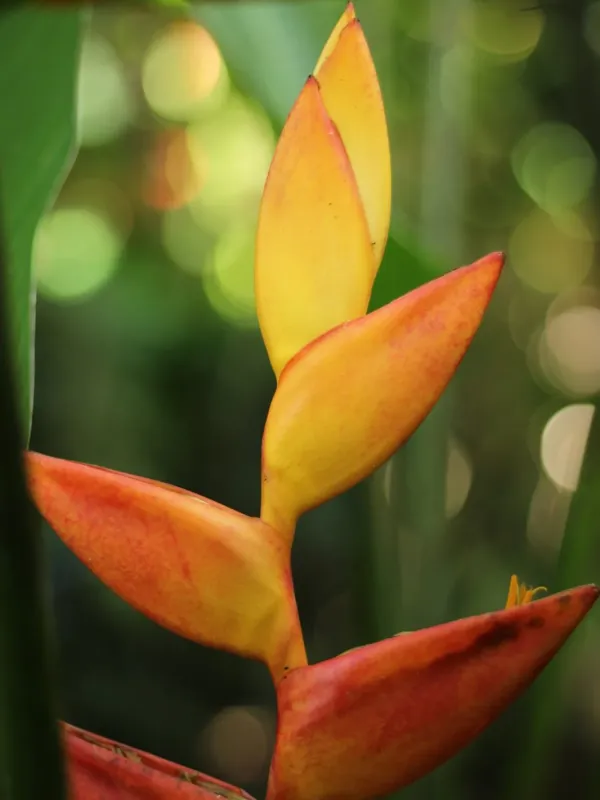
Description
Growing requirements
Heliconia is a striking perennial herbaceous plant belonging to the Heliconiaceae family. This hybrid (Heliconia uxpanapensis x Heliconia latispatha) naturally thrives in the warm, humid ecosystems of Central and South America, characterized by high levels of rainfall and constant warmth.
Successful commercial cultivation requires strict climate control, maintaining temperatures between 20°C and 30°C. Heliconia is highly sensitive to cold spells, which can permanently damage the rhizomes and stop floral development, making it strictly a greenhouse or tropical climate crop.
Humidity management is essential, with an ideal range of 70-85%. Growers utilize irrigation systems that maintain consistent soil moisture without waterlogging, which is critical since the roots require good oxygen availability to prevent rotting.
The substrate must be well-draining, composed of peat moss, coarse sand, and organic matter like coconut coir. A slightly acidic to neutral pH level between 5.5 and 6.5 is optimal for nutrient uptake, particularly for phosphorus and potassium essential for flowering.
Light intensity plays a significant role in the plant's health. While it requires full bright light to produce robust inflorescences, direct midday sun under glass can cause leaf scorching. Specialized shading curtains are often deployed in professional operations to diffuse light intensity.
Yield
Heliconia is primarily grown for the cut-flower market, valued for its extraordinary vase life and bold, sculptural shapes. The demand for these exotic blooms in international floral design ensures they remain a high-value commodity in tropical agricultural sectors.
Yield metrics are largely determined by the density of rhizome planting and the maturity of the clumps. Managed correctly, an established plant can produce multiple stems annually, providing a consistent supply throughout the blooming season.
Main diseases and pests
Pest pressures primarily include mites, aphids, and mealybugs, which thrive in protected greenhouse environments. Integrated pest management (IPM) strategies, including biological control using beneficial insects, are preferred to maintain the quality of the delicate floral bracts.
Fungal pathogens such as Fusarium and various leaf spot-causing fungi are the most common threats to Heliconia plantations. Preventive measures include ensuring proper airflow, reducing surface water on leaves, and using sterile planting material during propagation.
Harvesting
Harvesting timing is critical; stems are cut when the lower bracts are vibrant and the upper ones are just beginning to show color. This stage ensures the longest lasting beauty for the end consumer while allowing the stems to withstand transit.
Post-harvest handling involves cleaning the stems and placing them in clean water containing floral preservatives. Proper temperature management during storage and distribution is required to maintain the vibrant colors and prevent premature wilting of the inflorescences.