
Heliconia stricta
Heliconia stricta Huber
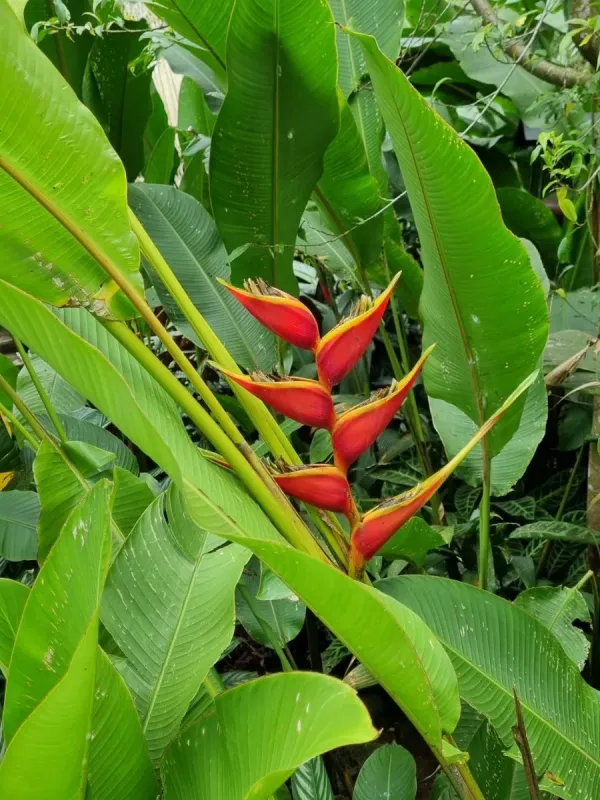
Description
Growing requirements
Heliconia stricta Huber is a perennial herbaceous plant belonging to the Heliconiaceae family. It is native to the tropical regions of South America and is widely cultivated for its unique, vibrant inflorescences.
The optimal growth temperature for this crop ranges from +22°C to +28°C. It is a strictly tropical plant that cannot withstand temperatures below +15°C, which can cause severe physiological stress and growth arrest.
Cultivation requires fertile, well-draining soil with a pH ranging between 5.5 and 6.5. High levels of organic matter are beneficial, and soil structure must prevent waterlogging to ensure root health.
Bright, indirect light is essential for the crop. While it thrives in tropical environments, direct midday sun should be filtered in greenhouses to prevent leaf scorch and maintain color intensity.
Maintaining high relative humidity (above 70%) is critical. Consistent irrigation combined with good drainage is the standard agricultural practice to support the rapid development of large, lush foliage and showy bracts.
Main diseases and pests
Spider mites are the most common pests in intensive cultivation, flourishing in high temperatures and low humidity. Regular monitoring of leaf undersides is necessary to detect early infestations.
Root rot pathogens, specifically Phytophthora and Pythium species, pose a constant threat if irrigation cycles are not balanced with proper soil aeration, leading to plant decay.
Thrips frequently damage the surface of the bracts, causing unsightly scarring that reduces the marketability of the cut flowers, necessitating preventative insecticide applications.
Bacterial leaf spot can spread rapidly in high-density greenhouse environments, which is why maintaining good air circulation is a mandatory agronomic requirement.
Implementing strict quarantine protocols for new plant material and keeping tools sanitized minimizes the risk of introducing viral diseases into the production cycle.
Harvesting
Harvesting should be performed when the lower bracts are fully colored, but before the true flowers within the inflorescence have opened, ensuring the longest vase life for the product.
Use sharp, disinfected knives for cutting. A clean 45-degree angle cut at the base of the stem helps maintain water uptake and reduces the likelihood of stem infection.
Harvesting is best scheduled for early morning or late evening when the plant tissues are fully turgid and have the highest metabolic stability for the upcoming post-harvest phase.
Post-harvest care involves immediately placing stems into clean, treated water containers to ensure rapid rehydration and to inhibit microbial growth in the water.
Commercial storage requires a climate-controlled environment kept around +12°C to +15°C. Lower temperatures will cause chilling injury, manifested as dark lesions on the bracts.