
Parishia paucijuga
Parishia paucijuga
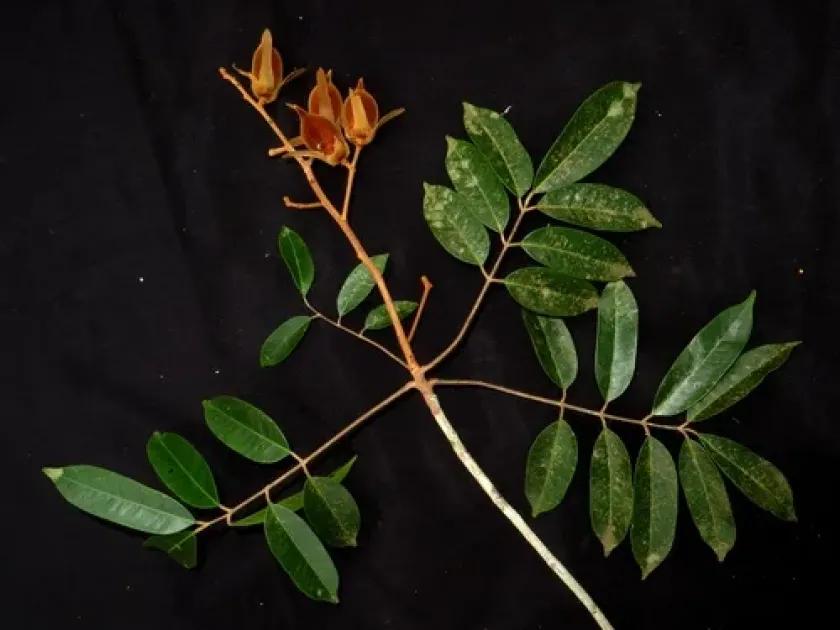
Description
Growing requirements
Parishia paucijuga is a prominent member of the Anacardiaceae family, recognized for its substantial size and role within tropical rainforest ecosystems.
Native to Southeast Asia, this species thrives in humid tropical climates that provide consistent precipitation throughout the year, essential for its rapid development.
The tree requires deep, well-drained, and nutrient-rich soils to support its extensive root system and canopy growth in competitive forest environments.
Light availability is a critical factor for the maturation of these trees, as they often strive for the upper canopy layers to capture direct solar radiation.
Agricultural management of this species focuses on maintaining optimal moisture levels and protecting young specimens from environmental stressors during their establishment phase.
Yield
The primary economic output of Parishia paucijuga is high-quality timber, which is utilized for construction and the manufacturing of durable furniture items.
Yield estimation is performed based on the trunk volume and wood density, which vary depending on local environmental conditions and the intensity of forest management.
Sustainable harvesting practices are essential to ensure the long-term viability of the species while providing consistent economic returns from managed forest plots.
Technical assessments of the wood properties highlight its structural integrity, making it a preferred material for heavy-duty indoor and outdoor applications.
Strategic forest planning, including selective thinning and proper spacing, allows growers to maximize the yield of high-grade logs over the tree's lifecycle.
Main diseases and pests
Like many trees in the Anacardiaceae family, Parishia paucijuga faces risks from various wood-boring insects and localized fungal pathogens.
In humid tropical zones, moisture-loving fungi can compromise the structural health of the bark and inner wood if the trees are already stressed by environmental factors.
Preventative measures include regular site inspections and the removal of infected organic material to prevent the rapid spread of spores throughout the plantation.
Environmental changes, particularly habitat fragmentation, pose a significant threat to the natural regeneration cycles of the species in the wild.
Implementing integrated pest management strategies is crucial for protecting nursery stock and young plantations from common tropical agricultural threats.