
Parishia insignis
Parishia insignis
Description
Growing requirements
Parishia insignis is a prominent tree species within the Anacardiaceae family, native to the tropical forests of Southeast Asia. It thrives in high-humidity environments, playing a crucial role in the biodiversity of its native habitat, which includes countries like Malaysia and Thailand.
The species prefers deep, nutrient-rich soils that offer excellent drainage, as waterlogging can be detrimental to its root system. It requires a stable tropical climate characterized by year-round warmth and significant annual rainfall to maintain its growth rates.
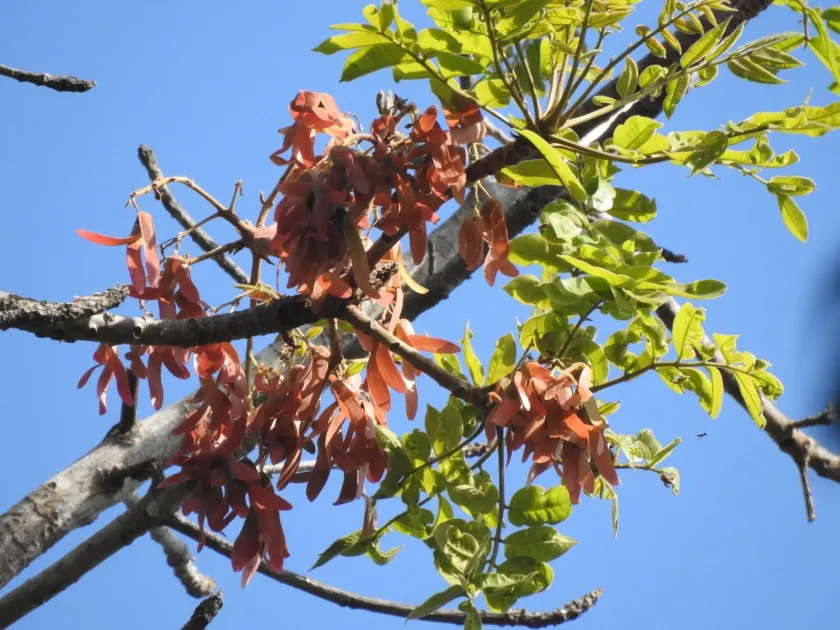
Botanically, the tree is recognized by its large, pinnate leaves and distinctive winged fruits that facilitate seed dispersal via wind. The trunk often exudes resin, a biological characteristic common among several related species in the Anacardiaceae family.
Regarding its utility, the wood of Parishia insignis is valued for its versatility in light construction and furniture manufacturing. It is generally processed into veneers and general-purpose lumber, serving as a staple material in regional woodworking industries.
Cultivation of this species requires meticulous forest management practices. Due to its size and growth habits, it is usually managed within natural or semi-natural forest stands rather than intensive plantations, focusing on sustainable timber extraction.
Harvesting
The harvesting process involves the careful selection of mature trees to ensure both high-quality lumber output and the long-term regeneration of the forest stand. Proper processing post-harvest is essential to prevent degradation of the wood quality.