
Parishia maingayi
Parishia maingayi
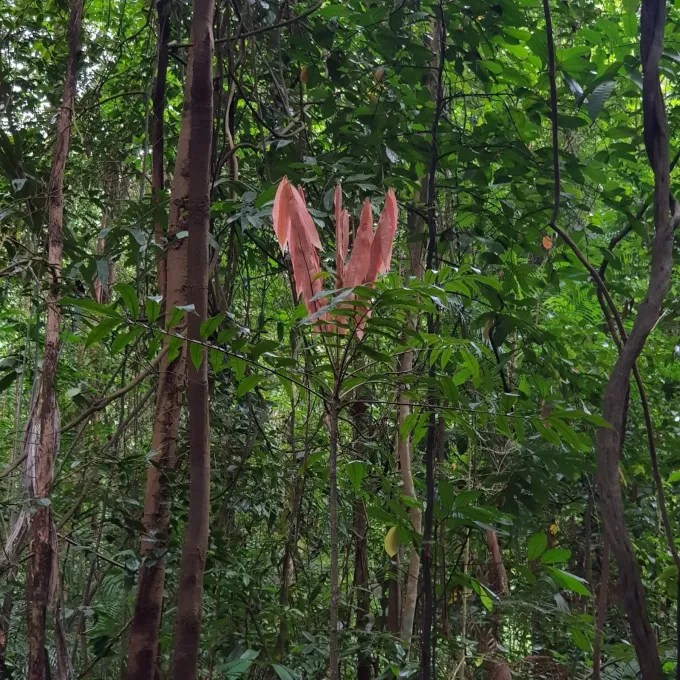
Description
Growing requirements
Parishia maingayi is a notable tropical tree species belonging to the Anacardiaceae family. It is typically found in primary lowland rainforests, serving as a significant component of the upper forest canopy in its native ecosystems.
The geographic distribution of this species is concentrated in Southeast Asia, particularly within the Malay Peninsula, Singapore, and parts of Indonesia. It thrives in regions characterized by high annual rainfall and consistently warm tropical temperatures throughout the year.
Soil requirements for optimal growth involve deep, fertile, and well-drained substrates. While the species requires consistent soil moisture to maintain its metabolic processes, it does not tolerate waterlogged conditions that can compromise its root health.
Botanically, the species is distinguished by its pinnate leaves and winged fruit structures, which are evolved for efficient wind dispersal. The tree itself can grow to substantial heights, developing a straight trunk that is highly valued in regional forestry contexts.
The economic utility of Parishia maingayi is primarily focused on the timber industry. The wood is utilized for various construction purposes, including the manufacturing of plywood and light structural elements, due to its availability and mechanical properties.
Harvesting
Harvesting practices for this species must be managed through sustainable forestry techniques to ensure the long-term viability of forest stands. Selective logging is often employed to preserve the surrounding biodiversity of the tropical environment.
Technical maturity of the wood is assessed based on the diameter of the trunk and the overall health of the specimen. Proper rotation cycles are essential to manage the harvest effectively and ensure a continuous supply of raw materials for local woodworking sectors.