
Parahebe
Parahebe W.R.B. Oliv.
Parahebe is a genus of evergreen shrubs and subshrubs belonging to the Plantaginaceae family. These plants are native to New Zealand and parts of Australia, thriving primarily in temperate and alpine environments.
What the section contains

Parahebe
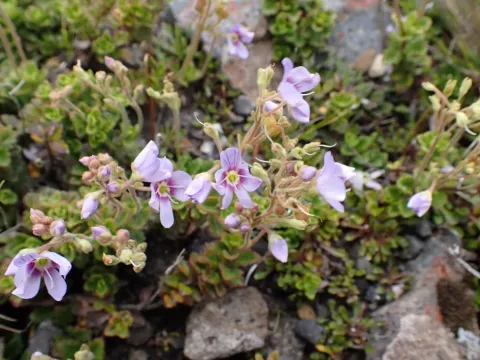
Botanically, these plants are characterized by their small, opposite, often serrated leaves and dense racemes of flowers, which range in color from pure white to various shades of pink, violet, and blue.
Successful cultivation requires a location with full sun to partial shade and exceptionally well-draining soil. These plants are highly susceptible to root rot if kept in consistently damp or heavy, waterlogged soil conditions.
Agrotechnical practices involve regular light pruning after flowering to encourage a compact growth habit and prevent the plant from becoming leggy. In colder climates, Parahebe should be planted in sheltered spots or grown in pots to be moved indoors during winter.
The primary use of this culture is ornamental. It is highly valued for use in rock gardens, borders, and as a low-maintenance groundcover in Mediterranean-style or temperate landscape designs.
The most significant plant health issues include root and crown rots, usually triggered by poor drainage or excessive soil moisture levels, which can quickly compromise the plant's health.
Typical pests affecting this genus include aphids and spider mites, which tend to infest the soft, new growth during warm and dry periods, necessitating early detection and targeted intervention.