
Parahebe catarractae
Parahebe catarractae (G. Forst.) W. R. B. Oliv.
Description
Growing requirements
Parahebe catarractae is a perennial evergreen shrub belonging to the Plantaginaceae family. Originally native to New Zealand, it naturally inhabits rocky outcrops, riverbanks, and slopes, which dictates its preference for specific environmental conditions.
The plant thrives in temperate climates and requires well-drained, fertile, and slightly acidic or neutral soil. Good aeration at the root zone is critical to prevent the development of root-borne diseases common in this species.
It prefers full sun to partial shade exposure. In colder regions, Parahebe catarractae needs protection during winter months, as it is not highly frost-tolerant and may suffer damage from prolonged freezing temperatures.
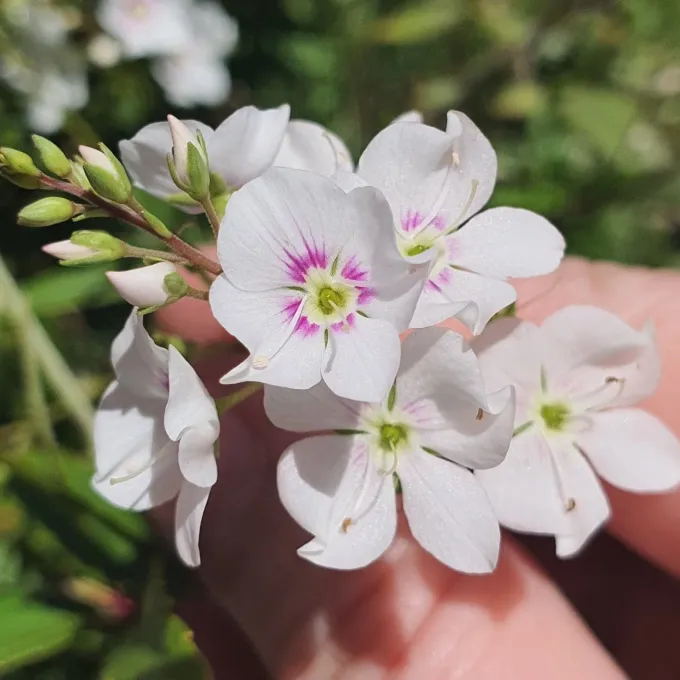
Botanically, it features opposite leaves and produces spikes of white to pale lilac flowers, often marked with striking veins. The shrub typically grows in a low-spreading habit, making it an excellent candidate for ground cover.
In terms of agricultural use, this plant is primarily ornamental. It is widely utilized in rock gardens, border planting, and as a structural element in landscape design to stabilize soil on minor slopes due to its fibrous root structure.
Main diseases and pests
Root rot is the most significant threat to Parahebe catarractae, usually caused by heavy, poorly draining soils or excessive watering. Maintaining a high level of drainage is the best defense against this condition.
Pests such as aphids and spider mites frequently affect the soft new growth of the plant. These pests can be managed through regular monitoring and the application of integrated pest management practices, including organic soaps or pesticides.
Powdery mildew and various fungal leaf spots can occur when humidity levels are high and airflow around the plant is restricted. Improving spacing between plants is essential for promoting healthy ventilation and disease prevention.
Phytophthora infections may occur under waterlogged conditions, leading to rapid wilting and plant death. Strict irrigation management is required to prevent the onset of this devastating soil-borne disease.
Routine maintenance, including the removal of dead foliage and proper pruning, helps to reduce the accumulation of pathogens and ensures the plant remains vigorous and resistant to minor infections.