
Panellus
Panellus
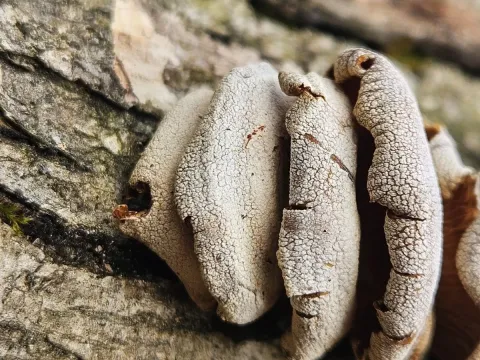
Panellus is a genus of xylotrophic fungi belonging to the Mycenaceae family, although its taxonomic classification has historically fluctuated towards the Marasmiaceae family.
What the section contains

Panellus
These fungi are typical saprotrophs that inhabit decaying wood of both broad-leaved and coniferous species within forest ecosystems across temperate and tropical zones.
Optimal mycelial development requires high relative humidity, generally ranging from 80% to 90%, and moderate temperatures between +15 and +22 degrees Celsius.
They prefer cellulose-rich substrates such as stumps, fallen logs, and tree branches, functioning as primary decomposers in the forest nutrient cycle.
A notable biological feature of several species within this genus, most prominently Panellus stipticus, is bioluminescence, which causes the fruit bodies to glow in the dark.
The primary factor limiting the spread of Panellus colonies is the presence of competing xylotrophic fungi that can suppress mycelial growth on wood substrates.
Infections by specific molds, particularly Trichoderma species, can devastate fungal populations both in artificial cultivation environments and weakened natural forest stands.
Mycetophagous insects, including fungus gnat larvae and certain beetle species, pose a significant threat to the fruit bodies during their active growth phase.
Severe fluctuations in humidity and substrate desiccation result in the cessation of sporulation and the degradation of the vegetative mycelium, increasing vulnerability to environmental stress.
Abiotic threats include severe frosts that compromise the cellular structure of the fruiting bodies, as well as environmental pollution that negatively impacts forest biodiversity.