
Late Oyster
Panellus serotinus (Fr.) Kühn
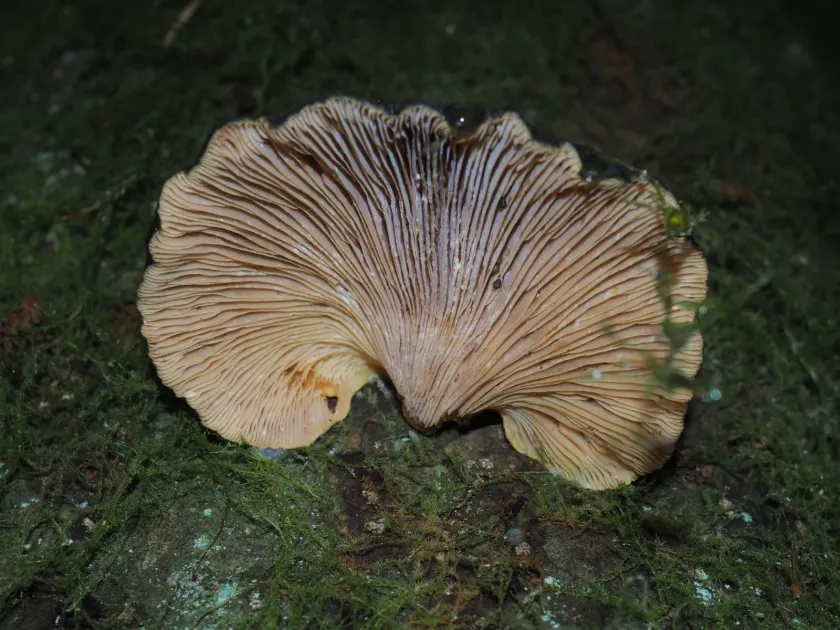
Description
Sowing dates
Panellus serotinus, known as the Late Oyster, is a wood-decay fungus belonging to the Mycenaceae family. Unlike traditional crops, it is cultivated through the inoculation of specialized wood-based substrate blocks with fungal mycelium.
The cultivation process typically utilizes sterilized hardwood sawdust, such as oak, beech, or birch. The substrate must be enriched with nitrogenous additives to support the mycelial growth and subsequent mushroom production.
Inoculation is performed in a sterile environment to prevent contamination. Once inoculated, the substrate blocks are incubated at temperatures ranging from +18 to +22 degrees Celsius in darkness to allow full mycelial colonization.
The colonization phase generally lasts between 4 and 6 weeks, depending on the strain efficiency and environmental conditions. Once the block is fully white with mycelium, it is prepared for the fruiting stage.
Inducing fruit body formation requires a significant drop in temperature to about +10 to +12 degrees Celsius, which mimics the natural autumn onset and triggers the emergence of the primordia.
Growing requirements
Panellus serotinus requires a high relative humidity of 85–90% during the entire fruiting cycle to maintain the growth of its fleshy caps. Proper moisture management is essential to prevent the gills from drying out.
Fresh air exchange is critical. Since this fungus produces substantial amounts of carbon dioxide, inadequate ventilation will lead to distorted fruit bodies and underdeveloped caps, significantly reducing the crop quality.
Light levels should be moderate. While the fungus is not photosynthetic, exposure to diffused natural or artificial light is necessary for the proper development of the cap's olive-brown color and overall fruit density.
The pH of the substrate should ideally be between 5.5 and 6.5. Deviations from this range can favor the growth of competitor fungi, such as molds, which can outcompete the desired crop.
Stable environmental conditions are mandatory. Rapid fluctuations in temperature or humidity during the fruiting phase can cause the crop to abort, resulting in significant yield loss.
Yield
Yields for Panellus serotinus are generally measured by biological efficiency, which refers to the ratio of fresh mushroom weight to the dry substrate weight. Well-managed farms achieve an efficiency of 15–25%.
Production occurs in flushes. The first flush is usually the most abundant, with subsequent flushes appearing every 2–3 weeks, provided the substrate maintains sufficient moisture and nutrient levels.
The harvest cycle typically lasts about 3 to 4 months before the nutrient content in the substrate is depleted to a point where further economic production is no longer feasible.
Total yield is heavily dependent on the quality of the spawn and the precision of the environmental controls in the fruiting room. Regular monitoring of the substrate mass helps in adjusting the irrigation frequency.
High-density shelving systems can maximize output per square meter. However, overcrowding must be avoided to ensure adequate air circulation between the blocks.
Main diseases and pests
Trichoderma, a green mold, is the primary threat to the colonization phase. It grows rapidly and can destroy a substrate block within a few days if contamination occurs during the inoculation step.
Bacterial blotch is a common concern during the fruiting phase, often caused by water accumulating on the mushroom caps. It results in discolored, slimy patches that render the mushrooms unsellable.
Pests such as sciarid flies and phorid flies are significant threats. They lay eggs in the substrate, and the emerging larvae feed on the developing primordia and mature fruit bodies, leading to rapid degradation.
Mites can also infest the substrate, feeding on the mycelium and transporting spores of harmful fungi, which makes integrated pest management essential for large-scale production.
Strict sanitation protocols, including the disinfection of equipment and the use of air filtration systems, are the most effective ways to mitigate the risk of disease and pest outbreaks.
Harvesting
The harvesting process involves picking the mushrooms when the caps reach their optimal size but before the edges start to lift or curl upwards, which ensures the best texture and flavor profile.
Mushrooms are harvested by cutting the stem at the base with a sharp, clean knife. Care should be taken not to disturb the surface of the substrate block to avoid damaging the remaining mycelium.
After harvesting, the mushrooms are placed in breathable packaging. Due to their high water content, they should be kept in a cool, ventilated place to prevent them from becoming soft or soggy.
Storage life is limited to 3–5 days when refrigerated at +2 to +4 degrees Celsius. For long-term preservation, the crop can be dried or frozen, though fresh consumption is preferred for best quality.
Once the final flush is complete, the spent mushroom substrate can be repurposed as a high-quality soil amendment or fertilizer in landscaping, ensuring the sustainability of the production process.