
Pancratium trianthum
Pancratium trianthum
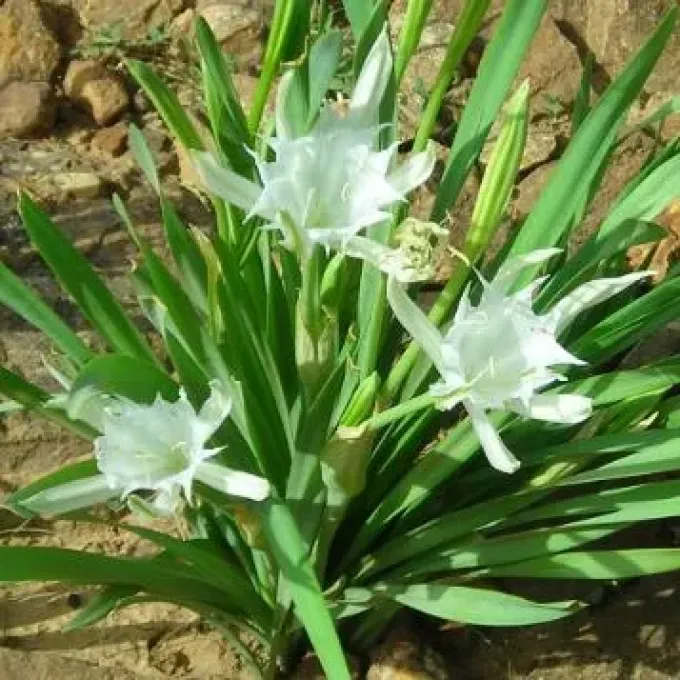
Description
Growing requirements
Pancratium trianthum is a perennial bulbous plant belonging to the Amaryllidaceae family. Native to the tropical regions of Africa, this species thrives in sandy, well-drained soils typical of coastal habitats.
The plant exhibits significant xerophytic adaptations, allowing it to survive prolonged dry periods by storing water and nutrients within its large, fleshy bulb.
Climatic requirements demand consistently warm temperatures, as the species is highly sensitive to frost and cold stress, which can cause severe physiological damage to the bulb tissue.
Botanically, it is distinguished by its unique white, fragrant flowers and narrow, sword-shaped leaves that emerge from the bulb after the onset of the wet season.
Agricultural management requires loose, nutrient-poor, yet highly aerated soil substrates to prevent anaerobic conditions that commonly lead to root suffocation.
Main diseases and pests
Fungal pathogens such as Stagonospora curtisii represent the primary threat to this crop, particularly when moisture levels exceed the plant's physiological needs.
Pests like the amaryllis borer or mealybugs often attack the bulbs and the base of the leaves, weakening the plant and facilitating secondary fungal infections.
Improper watering regimes are the leading cause of plant failure, as excessive humidity creates an environment conducive to bulb rot and fungal proliferation.
Integrated pest management protocols, including soil sterilization and the application of systemic fungicides, are essential for maintaining a healthy nursery population.
Regular visual inspections of the root system are necessary to detect early signs of necrotic tissue, allowing for the timely removal and treatment of infected bulbs.