
Pancratium tenuifolium
Pancratium tenuifolium
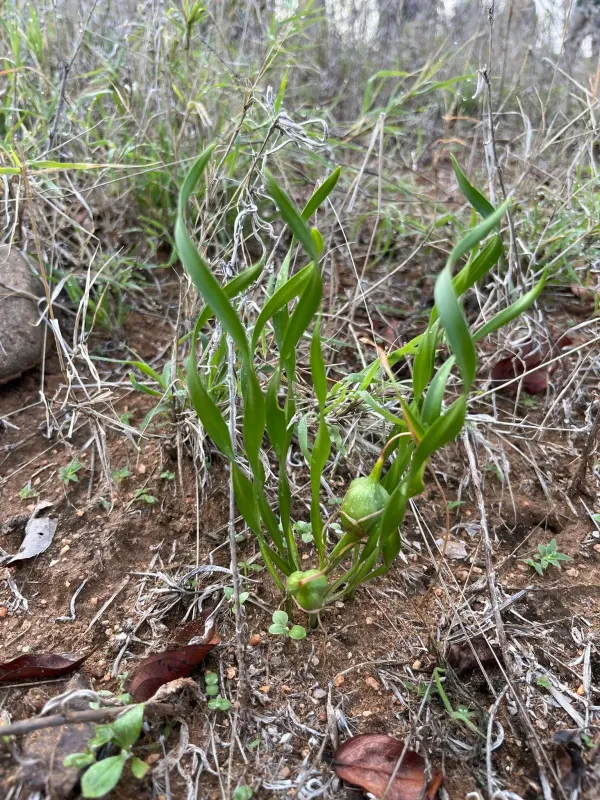
Description
Growing requirements
Pancratium tenuifolium is a perennial bulbous plant belonging to the Amaryllidaceae family. Originating from the tropical regions of Africa, this species is highly adapted to arid environments and sandy substrates, where it thrives under direct sunlight.
The culture requires exceptionally well-drained soil to prevent root rot. In an agricultural or nursery context, it is recommended to use a mix of sand, perlite, and organic matter to ensure adequate aeration and moisture regulation.
Climate requirements include high temperatures throughout the growing season and a clear differentiation between the growing period and the dormancy phase. It cannot tolerate frost, necessitating its cultivation in glasshouses or containers in cooler climatic zones.
Cultural practices involve moderate watering during the active growth phase, coinciding with the development of foliage and inflorescences. Conversely, the dry period is essential for the bulb to recover and prepare for the next reproductive cycle.
The main economic use of this plant is within the floriculture and ornamental trade. Its unique architectural beauty and delicate floral fragrance make it a sought-after specimen for collectors and specialized interior landscaping projects.
Main diseases and pests
The primary threats to Pancratium tenuifolium are fungal infections, particularly basal rot caused by poor soil drainage and stagnant moisture. These diseases can rapidly destroy the bulbs if not addressed through strict water management.
Insect pests such as spider mites are a significant problem, especially when the plant is kept in dry, indoor environments. These pests damage the foliage and can weaken the overall health of the bulb if allowed to proliferate.
Effective management includes the use of systemic fungicides applied preventively to the bulbs. This helps protect against soil-borne pathogens during the critical phases of re-growth.
Control of pests like mealybugs and spider mites involves routine inspection of the leaf axils and the use of appropriate acaricides and insecticidal soaps to maintain plant vigor.
A successful agricultural strategy for this species relies on imitating its native environment, focusing on dry storage conditions during dormancy and precise moisture control during the growth phase to mitigate all biological risks.