
Pancratium sickenbergeri
Pancratium sickenbergeri
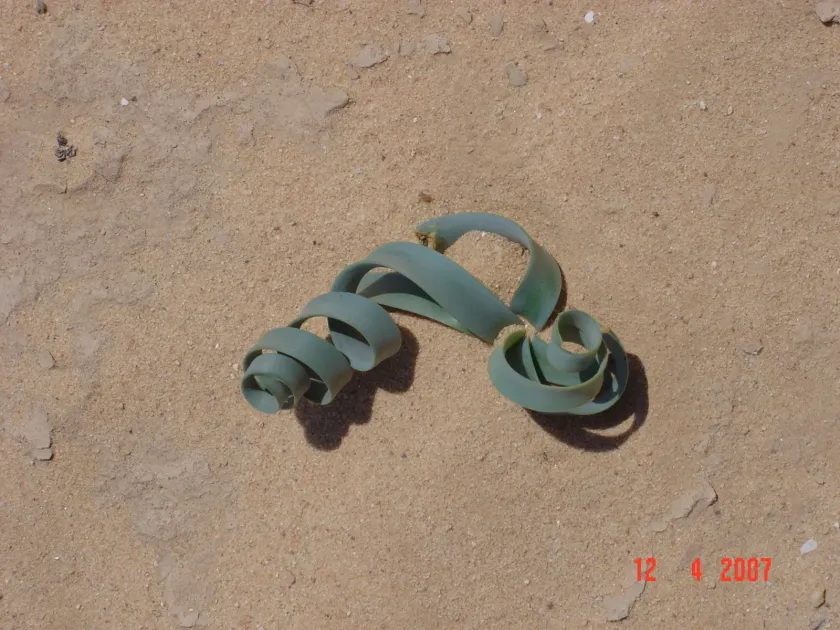
Description
Sowing dates
Propagation of Pancratium sickenbergeri is carried out through seeds or daughter bulbs. Seeds should be sown in well-drained, sandy soil that mimics the natural desert substrate of the plant's native habitat.
Freshly harvested seeds are essential for high germination rates, as the viability of the seed decreases significantly over time. A temperature range of 20 to 25 degrees Celsius is optimal for the germination process.
Vegetative propagation involves separating daughter bulbs during the dormant phase. This method ensures that the offspring maintain the exact characteristics of the parent plant, which is ideal for maintaining the crop's quality.
Proper depth for planting is crucial; bulbs should be placed at a depth of twice their diameter. This ensures the bulb remains secure while protecting it from extreme surface temperatures.
Young plants require a gradual adjustment to sunlight to prevent leaf scorch. Careful management of humidity during the early stages of growth is vital to establishing a healthy root system.
Growing requirements
Belonging to the Amaryllidaceae family, Pancratium sickenbergeri is native to arid regions, making it highly adapted to intense light and heat. It requires full sun exposure to thrive throughout its active growing season.
The ideal soil is loose and sandy, providing excellent drainage. In containers, a high-quality grit or sand-based mix is mandatory, as heavy soils will inevitably lead to root and bulb rot.
Watering should be moderate during the growing phase and strictly limited to the base of the plant. Once the foliage begins to die back, all watering must cease to allow the plant to enter its natural dormancy period.
Fertilization should be handled with care, focusing on potassium and phosphorus levels to promote strong bulb health. Nitrogen-rich fertilizers should be avoided as they encourage weak vegetative growth.
Maintaining a dry dormancy period is perhaps the most important requirement for this crop. Without this phase, the plant will fail to produce blooms and may suffer from physiological imbalances.
Main diseases and pests
The primary threats to this species are fungal infections resulting from overwatering. Moisture-logged soil creates a perfect environment for root rot and bulb decay, which can be irreversible if not detected early.
Pests such as spider mites can infest the foliage, particularly in indoor environments with low humidity levels. Regular inspection of the leaf axils is necessary to prevent small infestations from becoming severe.
Treatment for fungal issues involves the application of specialized fungicides and a strict reduction of moisture levels. In some cases, replanting in fresh, sterile substrate is the only way to save the bulb.
For pest control, appropriate acaricides or insecticides should be applied upon the first sign of activity. Proper spacing and good air circulation help minimize the risk of pest outbreaks.
Monitoring the plant's health through regular physical checks helps identify early signs of stress or infection, ensuring that the grower can act before the bulbs are compromised.