
Pancratium illyricum
Pancratium illyricum
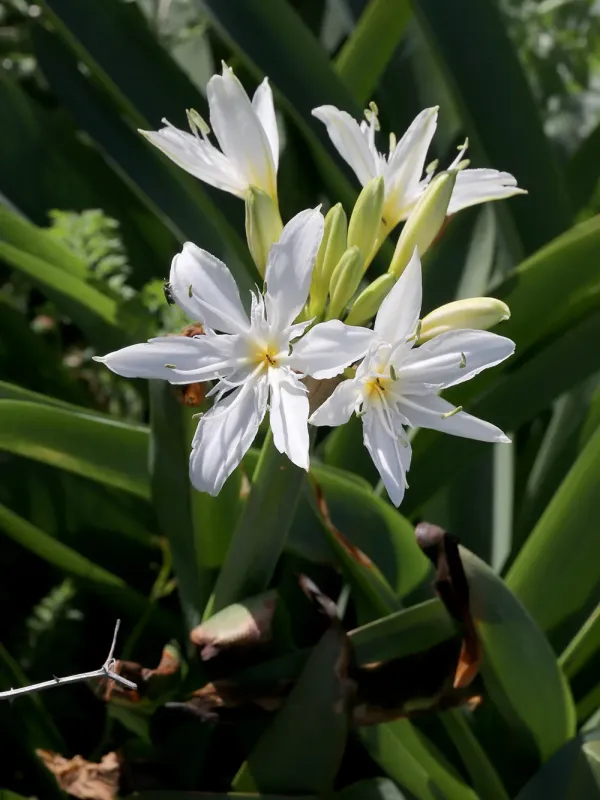
Description
Sowing dates
Planting Pancratium illyricum is usually done via bulbs, as seed propagation is a lengthy process that requires patience. The ideal time for planting is early spring, once the threat of frost has passed and soil temperatures have reached at least 12–15 degrees Celsius.
Bulbs should be planted at a depth equivalent to two or three times their diameter. A spacing of 20 to 30 centimeters between plants is recommended to ensure proper air circulation and to prevent the spread of diseases among the bulb cluster.
For container gardening, use pots with sufficient drainage holes. It is critical to use a light, well-draining soil mix enriched with coarse sand to ensure that water does not linger around the root zone.
If starting from seeds, sow them in trays filled with a lightweight, sandy substrate soon after maturity. Germination requires consistent warmth and controlled moisture, as the seedlings are quite delicate during their first season.
Choose a location that receives full sun throughout the day. Pancratium illyricum is highly photophilic and requires intensive light exposure to trigger and sustain its characteristic flowering cycle.
Growing requirements
Pancratium illyricum, a member of the Amaryllidaceae family, thrives in environments that mimic its native Mediterranean habitat. It requires loose, well-aerated, and fast-draining soil to perform at its best.
The plant is extremely sensitive to waterlogging. In areas with heavier soils, creating a dedicated drainage layer of gravel or crushed stone is essential to prevent bulb rot, which is the most frequent cause of plant failure.
The preferred soil pH for this culture is neutral to slightly alkaline. Acidic soils should be amended with lime before planting to create an environment more conducive to the growth and development of the bulbs.
Climate requirements include mild winters, which means that in colder regions, the bulbs must be treated as tender perennials. They should be dug up in the autumn and stored in a dry, cool, frost-free environment over the winter months.
During the active growth phase, provide consistent but moderate watering. Increase water frequency slightly during the peak flowering period, but reduce it significantly once the foliage begins to wither to allow the bulb to enter dormancy.
Main diseases and pests
The primary threats to Pancratium illyricum are fungal infections caused by excessive humidity. Diseases such as Fusarium wilt and various forms of soft rot can quickly destroy the root system and the bulb itself.
To prevent disease, focus on proper water management and ensure that the soil never stays soggy. Treating bulbs with a systemic fungicide before storage can significantly reduce the risk of infection during the dormant phase.
Pests such as the narcissus fly represent a major challenge. Its larvae can burrow into the bulbs, causing severe internal damage that is often invisible until the plant begins to decline and collapse.
Monitoring for signs of infestation is crucial. Using appropriate insecticides and maintaining good garden hygiene by removing debris will help mitigate the risks of both pest outbreaks and the spread of pathogens.
- Fungicide treatment for stored bulbs.
- Systemic insect control to manage larvae.
- Proper disposal of infected plant material.